Who Builds Robot Manipulation: A Registry of 39 Labs and Companies
A cleaned, sourced registry of the academic labs and companies building robot manipulation and the data behind it, from Stanford IRIS and Berkeley RAIL to Physical Intelligence, Figure, and AgiBot. One schema for the whole field.
The people building robot manipulation are scattered across university lab pages, company blogs, and press releases, and there is no single place to see them side by side. We refined thirty-nine of them, twenty academic labs, nineteen companies, into one schema: who they are, who leads them, what they work on, what hardware they use, and the notable dataset or model they produced. The machine-readable version is at blomegalab.com/data/robotics-labs.json.
An academic frontier and an industrial buyer base
The registry splits cleanly. Twenty entries are academic labs, the places where the datasets and methods are invented: Stanford IRIS and SVL, Berkeley RAIL and AUTOLAB, CMU R-PAD, MIT Improbable AI and the GelSight group, UT Austin RPL, Shuran Song's REAL, and strong groups at Bristol, ETH, Imperial, Oxford, SJTU, and Tsinghua. Nineteen are companies, split between foundation-model labs (Physical Intelligence, Skild, Generalist, NVIDIA GEAR, Dyna, TRI, DeepMind) and humanoid makers (Figure, 1X, Apptronik, Sanctuary, AgiBot, Unitree, Fourier, UBTech). The field is US-led, twenty-four of thirty-nine, with China the clear second concentration at six.
The registry (selected)
A representative slice below; the full thirty-nine, with lead, focus, hardware, and notable dataset for each, are in the JSON.
- Stanford IRIS, Chelsea Finn · ALOHA / Mobile ALOHA · academic
- Berkeley RAIL (BAIR), Sergey Levine · BridgeData, Open X-Embodiment · academic
- Berkeley AUTOLAB, Ken Goldberg · Dex-Net · academic
- Stanford REAL, Shuran Song · Diffusion Policy, UMI · academic
- MIT GelSight (Perceptual Science), Ted Adelson · GelSight tactile · academic
- UT Austin RPL, Yuke Zhu · robosuite · academic
- NYU GRAIL, Lerrel Pinto · Robot Utility Models · academic
- Bristol Robotics, Nathan Lepora · TacTip tactile · academic (UK)
- SJTU MVIG, Cewu Lu · GraspNet-1B, AnyGrasp, RH20T · academic (China)
- Physical Intelligence, Hausman/Levine · pi0 (openpi) · foundation-model co.
- Skild AI, Deepak Pathak · Skild Brain · foundation-model co.
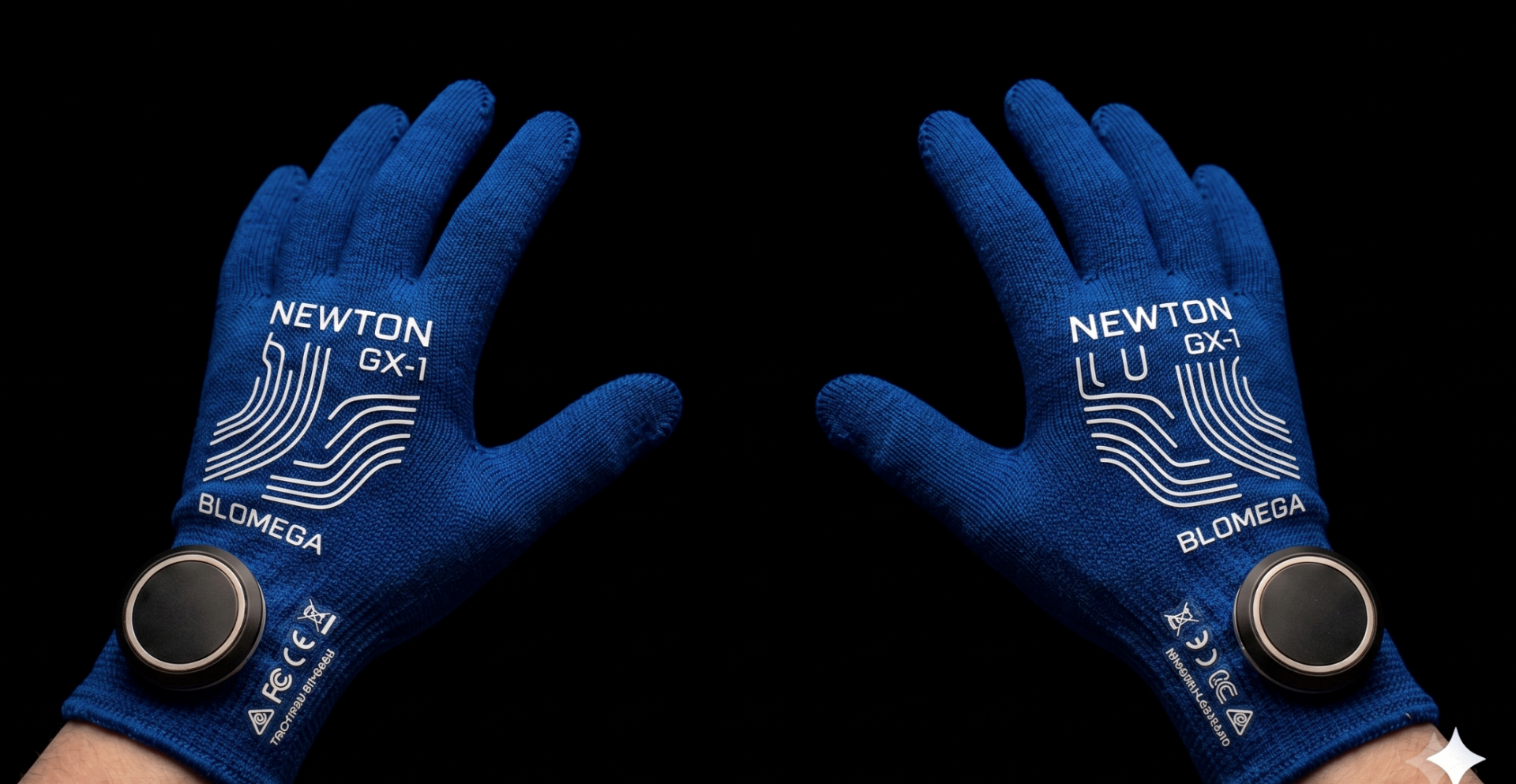
- Generalist AI, Florence/Zeng · GEN-1, training gloves · foundation-model co.
- NVIDIA GEAR, Jim Fan/Yuke Zhu · Isaac GR00T · foundation-model co.
- Dyna Robotics, DYNA-2, 1M hrs human video · foundation-model co.
- Toyota Research Institute, Diffusion Policy, Large Behavior Models · industry
- Figure AI, Brett Adcock · Helix VLA (Figure 02) · humanoid co.
- 1X Technologies, Bernt Bornich · World Model (NEO) · humanoid co.
- Apptronik, Jeff Cardenas · Robot Park data factory (Apollo) · humanoid co.
- Sanctuary AI, teleop-collected tactile data (Phoenix) · humanoid co. (Canada)
- AgiBot, AgiBot World (1M+ trajectories) · humanoid co. (China)
- Unitree, G1 · UnifoLM-WBT, unitree_lerobot · humanoid co. (China)
How it was built
Each entry was pulled from a lab website, a company page, or reporting, and normalized to the same fields with a confidence level. A handful of URLs and leadership fields are marked medium confidence where the primary page had moved or redirected, and where a group has no single flagship dataset that field is left blank rather than invented. The registry is a starting map, not a census; it will grow.
Why Blomega maps this
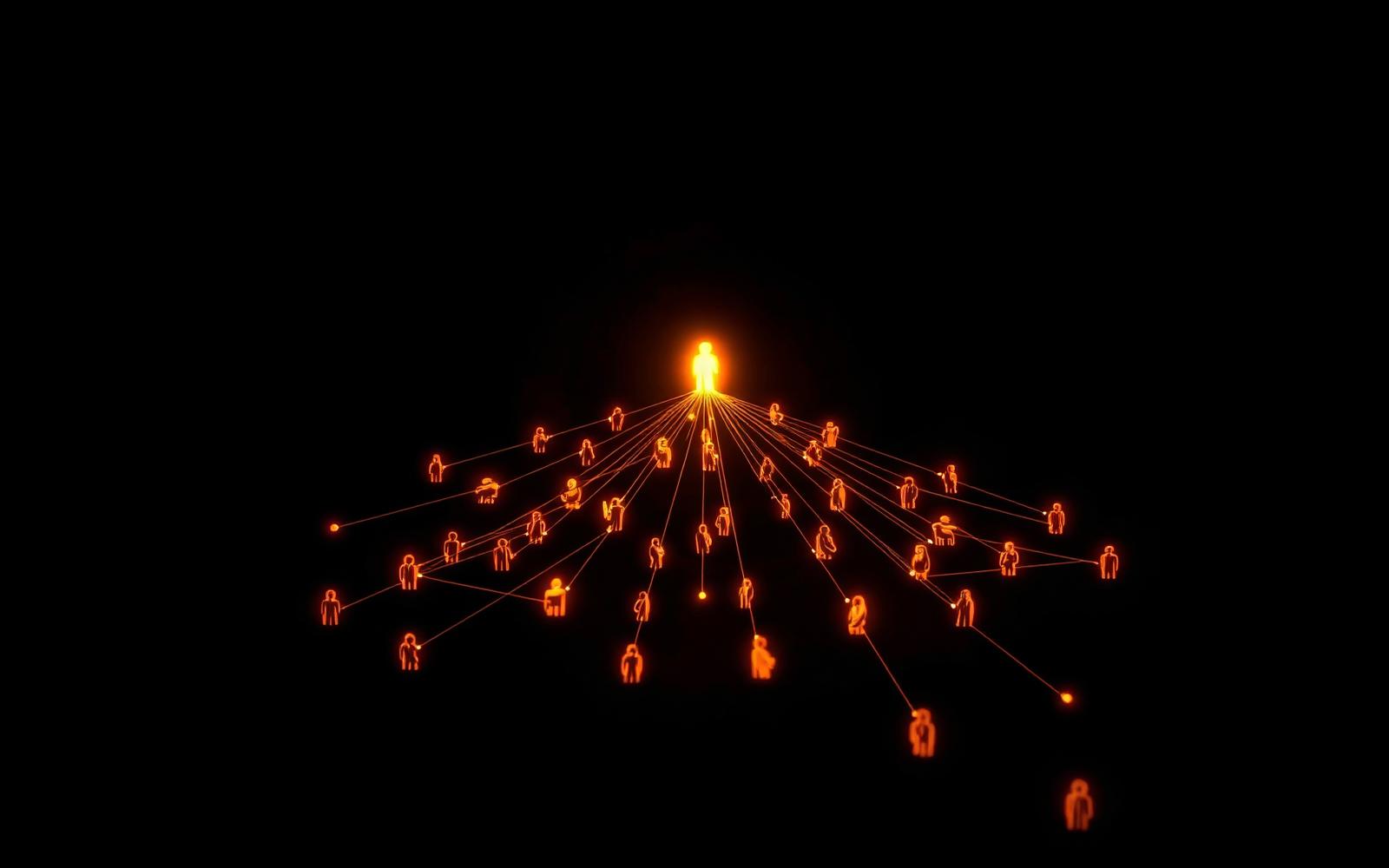
The split in the chart is the point. Academic labs invent the datasets; companies consume them, and most of the companies build robots faster than they can collect the diverse, force-instrumented human data those robots need. The dataset registry showed the force gap in the data; this registry shows the organizations on both sides of it. It is the map of who produces manipulation data and who is short of it, which is exactly the terrain a first-party data company operates on.
Query it and read more
Building or training robots?
We license manipulation datasets and run custom capture programs. Get in touch to see what fits.