Dexterity Is the Last Mile of Industrial Automation
Robots have automated the heavy, repetitive middle of manufacturing. What is left is the human hand, and closing that gap is now the single largest opportunity in physical AI.
Walk any advanced factory floor in 2026 and the split is easy to see. The parts that move heavy things, weld seams, or place components on a board have been automated for a decade. The parts that are still done by humans almost always involve one thing: fingers. Deburring a casting. Routing a wire harness. Seating a gasket that has to sit flush without pinching. Inspecting a stitched seam by touch. Folding, threading, tucking, aligning, pressing to feel.
Estimates vary, but the consistent finding across McKinsey, the IFR, and internal audits at large OEMs is that between 65% and 75% of the human labor remaining in advanced manufacturing is there because of fine motor skill, not because the process is unstructured, not because the environment is hostile, but because the last few millimeters and grams of a task require a hand.
This is what people mean when they call dexterity the last mile. And like every last mile in logistics, it is where most of the cost sits.
Why the last mile has resisted robots for so long
The industrial robot arm as a category is roughly sixty years old. It is a solved product. What is not solved is the end effector plus the policy that drives it. A six-axis arm can put a gripper within a tenth of a millimeter of any point in its workspace, and that is useless if the gripper cannot decide how hard to close on a soft part, or cannot re-grip a fastener that slipped, or cannot feel that a wire is under tension before pulling.
Traditional automation solved this by removing the need for dexterity, jigs, fixtures, custom tooling that turns a dexterous problem into a placement problem. It works, and it is why modern factories look the way they do. But the economics collapse at low volumes and high mix. Every new SKU needs new tooling. Every change to the part invalidates months of fixture design. The moment a product line has real variability, tooling stops paying for itself and a human hand becomes the cheapest solution again.
The bet the field is now making is that a general-purpose dexterous hand, driven by a learned policy, can eat that long tail. Not by matching a fixture on speed for any single part, but by handling ten thousand parts with one hardware setup.
What a dexterous policy actually has to do
It has to close a five-finger hand around an object it has never seen before, with roughly the force a human would use, in roughly the grip a human would choose, and adjust in the first hundred milliseconds if the object shifts. It has to know when contact has been made without vision confirming it. It has to know when to let go.
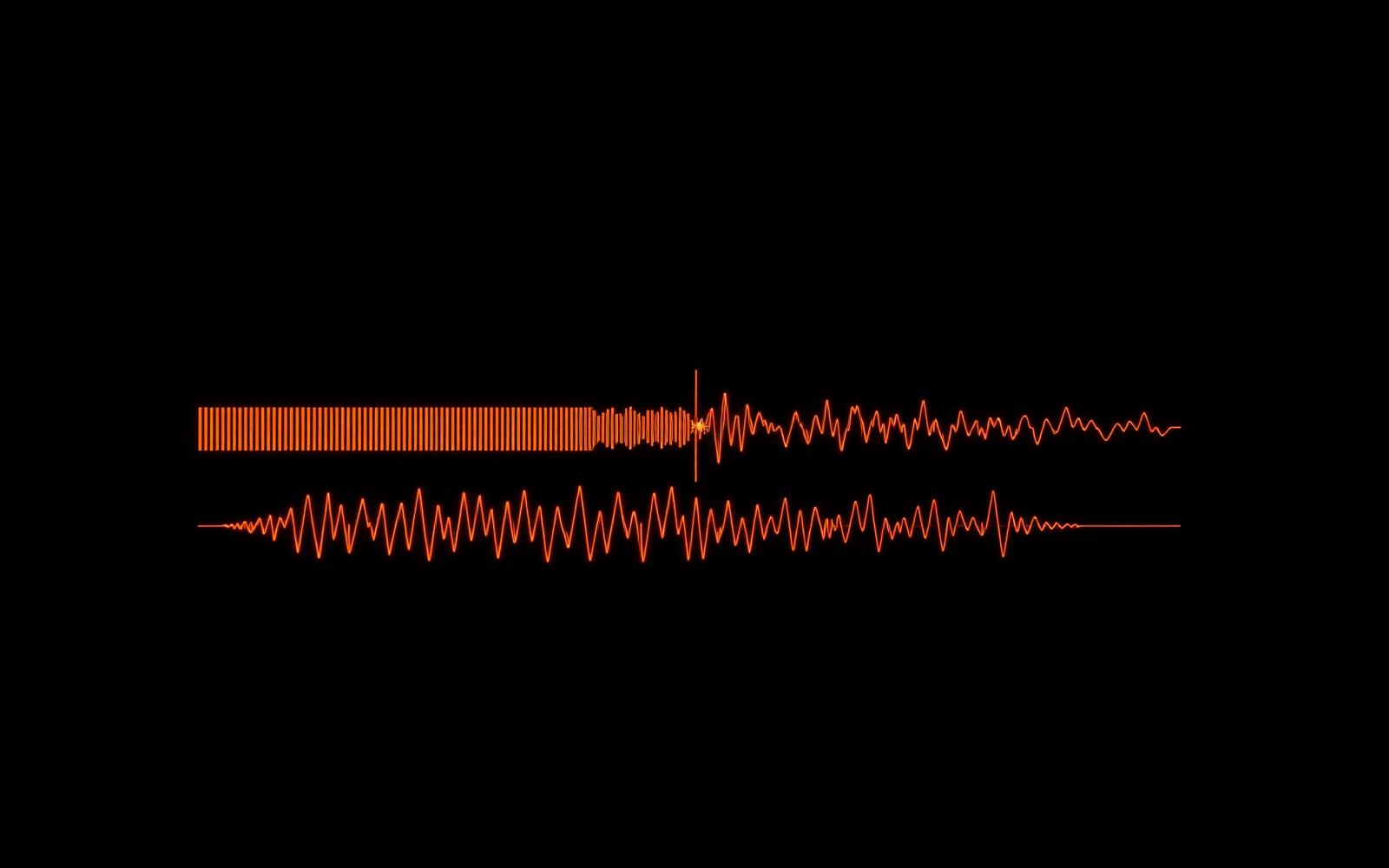
That is a very different specification from 'move to XYZ.' It requires policies conditioned on force and tactile signals, not just camera frames. It requires training data that includes contact events, slip events, and the human micro-corrections that follow them. And it requires those signals at rates high enough, several hundred hertz for force, at least sixty for hand pose, that after-the-fact video annotation cannot recover them.
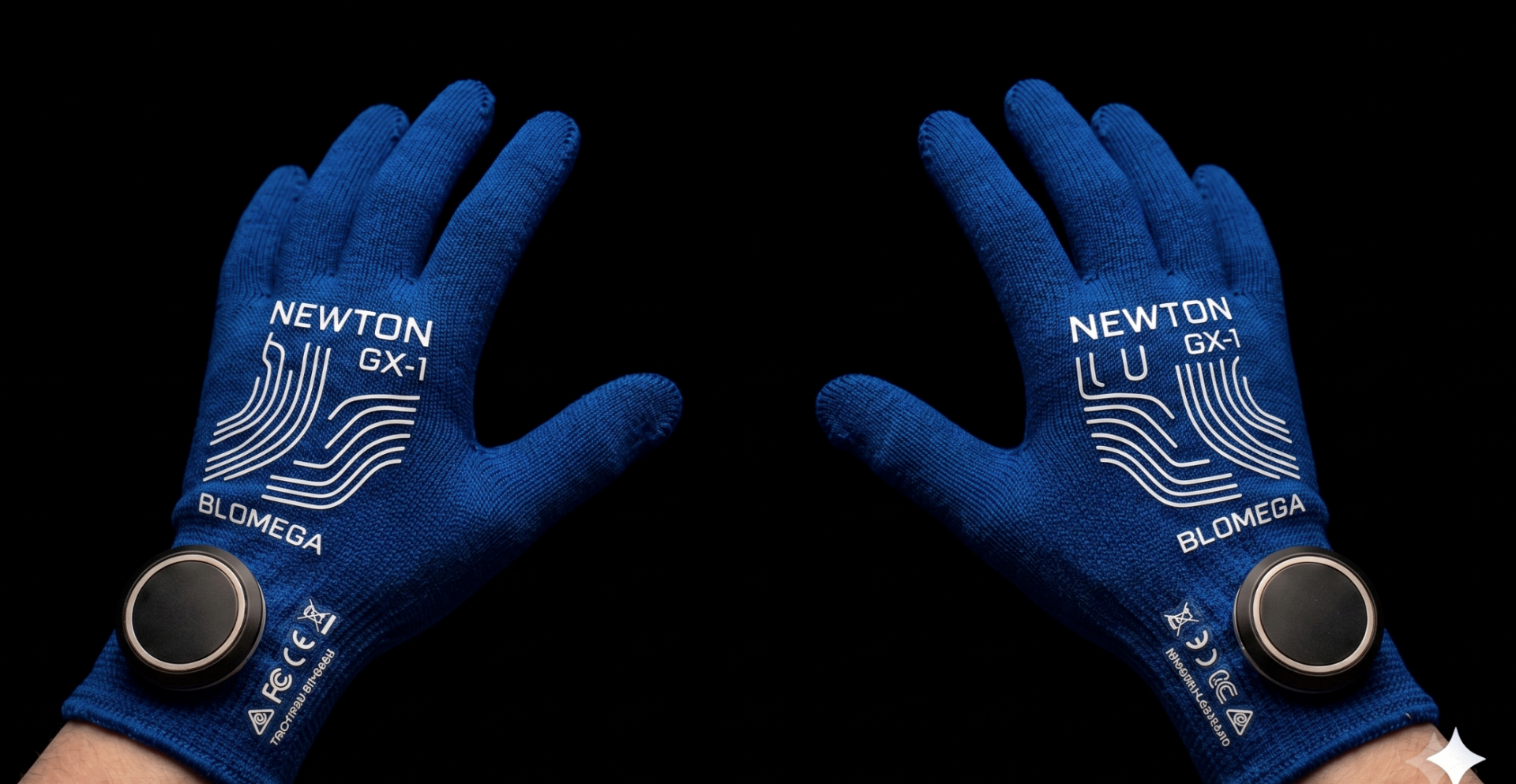
This is why every serious effort in the space has converged on wearable capture. You cannot train a dexterous policy on third-person footage of a person working. The signal is not there.
Why the winners will look like data companies
If dexterity is the bottleneck, and dexterity requires trajectory-level demonstrations of humans doing skilled work, then the constraint on the whole industry is capture throughput. How many operator-hours of high-quality dexterous demonstration you can produce per week, per task family, per embodiment, that number governs how fast a policy improves.
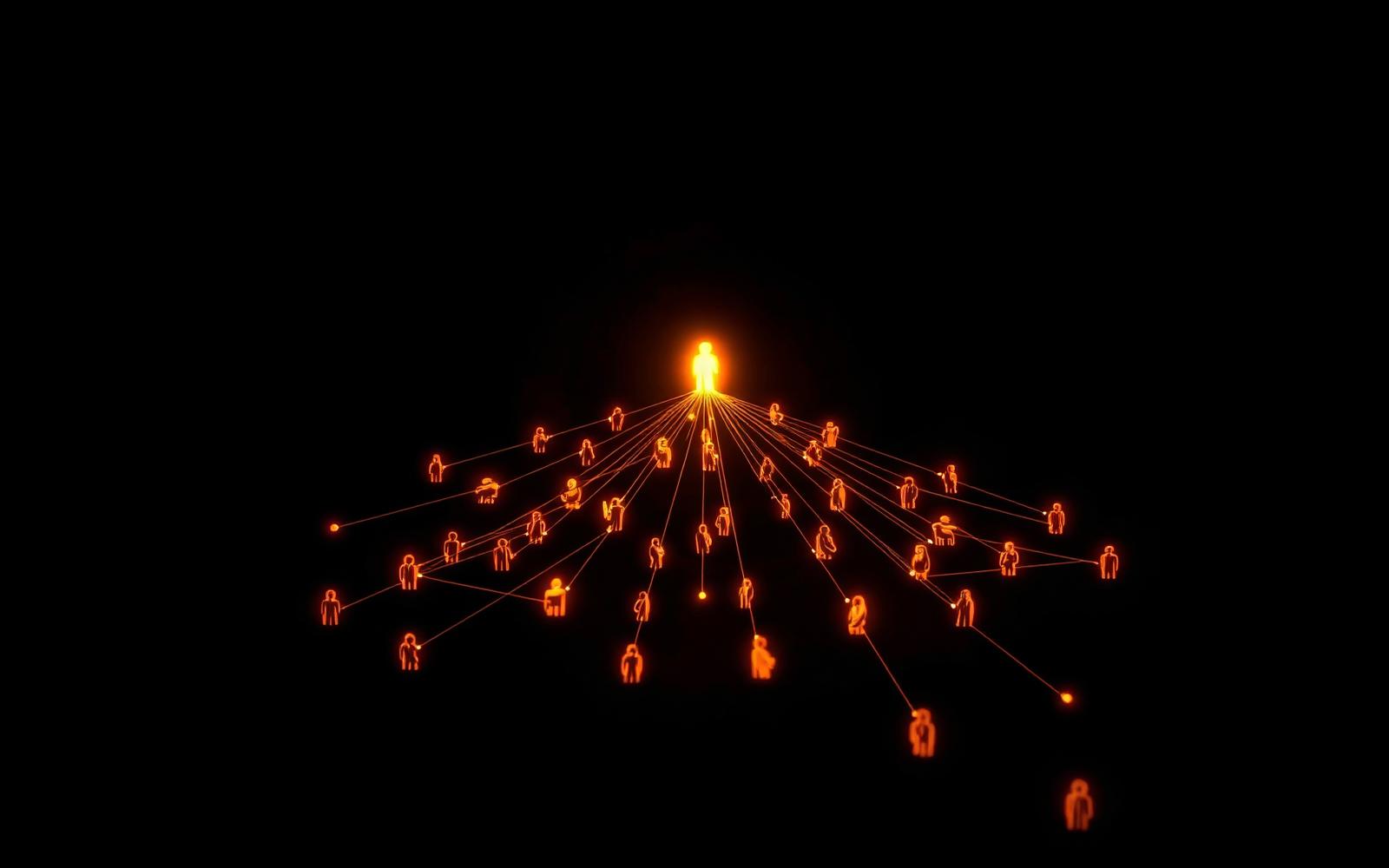
This is why the companies most likely to define the next decade of industrial automation do not necessarily look like robot companies. They look like data companies with a robotics thesis: an operator network, a wearable capture stack, a labeling and QA pipeline, and a licensing model. The robot arm is a commodity. The policy that runs on it is proprietary. The data that produces the policy is the moat.
BLO LAB was built for exactly this shape of market. Every glove, suit, and strap we ship is a way to convert an hour of skilled human work into an hour of usable robot training data, for the teams building the foundation models that will finally close the last mile.
Building or training robots?
We license manipulation datasets and run custom capture programs. Get in touch to see what fits.