The Robot Manipulation Dataset Registry: 19 Datasets, and Only 2 Have Force
A cleaned, normalized, machine-readable registry of open robot manipulation datasets. The scattered landscape refined into one schema, and one column that tells the story: only 2 of 19 datasets carry force at the hand.
If you ask where robot manipulation data lives, the honest answer is everywhere and nowhere: episode counts in one paper's table, modalities in a dataset card, the license on a GitHub page, the real hours buried in a blog. We refined that scattered landscape into one normalized schema: 19 datasets, the same fields for each, and one column that carries the whole thesis. Only 2 of the 19 record force at the hand.
The headline: force is the gap
Across 19 open and notable manipulation datasets, exactly two carry contact force or tactile signal: RH20T, which pairs force, tactile, and audio with vision, and Blomega's own GX-1 capture. The other 17, including the largest, are vision and proprioception. Egocentric video scales, but the newtons at the fingertip are almost entirely absent from the public record.
The registry
Each dataset below is normalized to the same fields (organization, year, size, embodiment, modalities, force, format, license) with a confidence level and a source link. The full, queryable version is the machine-readable JSON linked at the end.
- Open X-Embodiment, DeepMind, 2023 · 1M+ trajectories · RLDS · force: no
- AgiBot World, AgiBot, 2024 · 1.0M trajectories / 2,976 hrs · humanoid · force: unknown
- Something-Something V2, TwentyBN, 2018 · 220k clips · human · force: no
- RoboNet, Berkeley/Stanford/CMU, 2019 · 162k episodes · multi · force: no
- RT-1 dataset, Google, 2022 · 130k episodes · single-arm · RLDS · force: no
- RH20T, SJTU, 2023 · 110k sequences · rgb+depth+FORCE+tactile+audio · force: YES
- EgoVerse, multi-lab, 2026 · 80k episodes / 1,362 hrs · human · force: no
- DROID, Stanford + 13 labs, 2024 · 76k trajectories / 350 hrs · single-arm · RLDS · force: no
- BridgeData V2, UC Berkeley, 2023 · ~60k trajectories · single-arm · RLDS · force: no
- EgoScale, UT Austin RPL, 2026 · 20,854 hrs · human · force: no
- Ego4D, Meta, 2021 · 3,670 hrs · human · force: no
- Ego-Exo4D, Meta FAIR, 2023 · 1,286 hrs · human · force: no
- DYNA-2 corpus, Dyna Robotics, 2026 · 1,000,000 hrs · human · proprietary · force: no
- EPIC-KITCHENS, Univ. of Bristol, 2018 · 100 hrs · human · force: no
- Mobile ALOHA, Stanford, 2024 · bimanual · force: no
- UMI, Stanford/Columbia, 2024 · human gripper · force: no
- DexCap, Stanford, 2024 · human hand mocap · force: no
- RoboCasa, UT Austin/NVIDIA, 2024 · sim · force: no
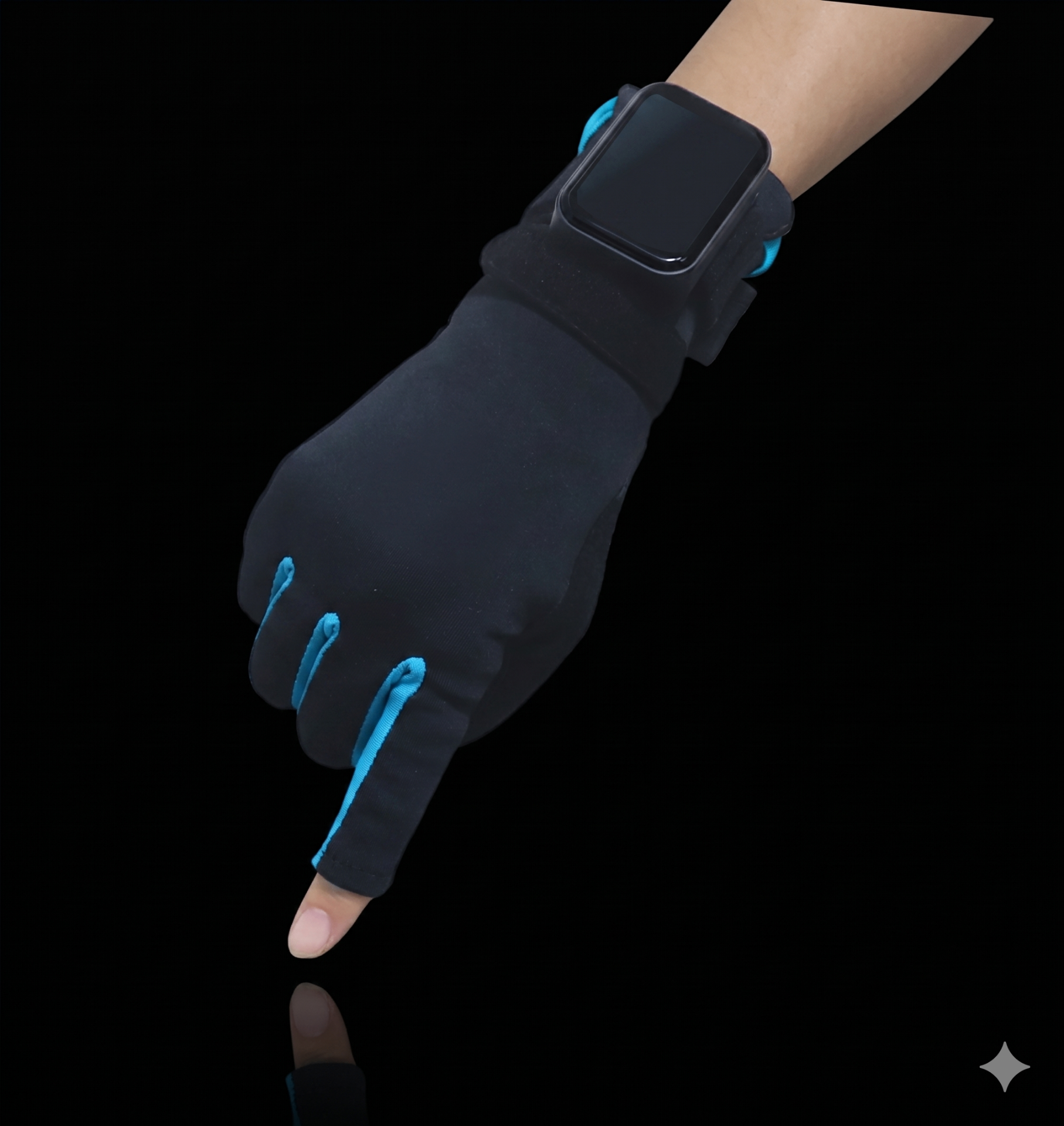
- Blomega GX-1 capture, Blomega, 2026 · rgb-POV + finger-bend + FINGERTIP FORCE + wrist-IMU · force: YES
How this was built (and where it is still thin)
This is a refinery, not a scrape. Each row was extracted from primary sources (papers, dataset cards, project pages), normalized to one schema, deduplicated, and given a confidence level; single-source numbers are marked accordingly and unknowns are left blank rather than guessed. The engine's own coverage audit is honest about the gaps: `hours` is missing for 58 percent of rows and `episodes` for 53 percent, because those numbers are reported inconsistently and often only in a paper's appendix. Those are exactly the next sources to mine. The point of a registry is that it improves every pass, and that it never pretends to a number it does not have.
Query it
The registry is published as machine-readable JSON so an agent, or you, can query it directly rather than re-reading nineteen papers: blomegalab.com/data/robotics-datasets.json. That is the real output of refining a scattered niche, clean fuel an agent can trust. And the empty force column across almost all of it is the reason Blomega captures the modality the rest of the field does not.
Related
Building or training robots?
We license manipulation datasets and run custom capture programs. Get in touch to see what fits.