
Why Wearable Capture Scales on a Different Curve
The bottleneck in wearable data collection is skilled operators, not arms, cells, or floor space. That shifts the entire growth curve of the business.
A teleop warehouse grows by adding cells. A wearable capture program grows by onboarding operators. On the surface these look like two flavors of the same thing. In practice they produce entirely different growth curves, and the implications for the industry are large.
The bottleneck is a person, not a place
Onboarding a new operator to a wearable rig is a few hours of calibration and a supervised first session. Onboarding a new operator to a teleop cell requires them to be physically present at the warehouse, on a schedule, for months. The talent pool for the first is any skilled worker with a signed contract and an internet connection. The talent pool for the second is the subset of skilled workers who will move.
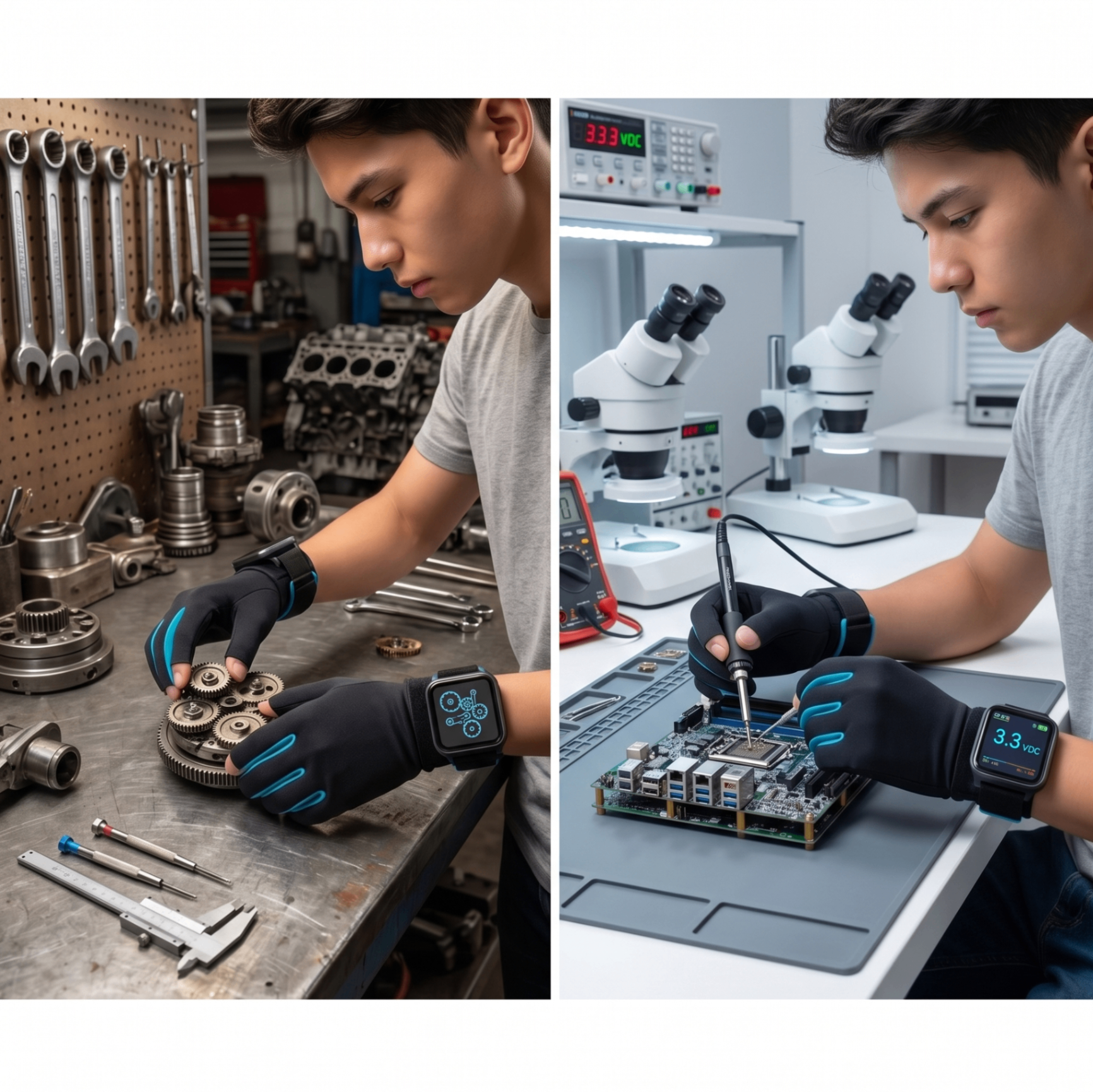
That gap in access to talent is the single largest structural difference between the two models, and it compounds as the required skill of the operator goes up. Line cooks in a rural town, seamstresses in a garment district, machinists in a small shop, none of these people are moving to Berkeley to sit in a robot cell. All of them can be onboarded to a wearable rig in a week.
Growth curve implications
Teleop scales linearly with capex and floor space. Wearable scales linearly with operator recruitment, which is a fundamentally different function, it accelerates once the operator network reaches critical mass, because operators refer other operators in their skill community. The curve is not linear once network effects kick in; it bends up.
This is why a wearable-first company can, in principle, outrun a teleop-first competitor even from behind on capital raised. The unit economics get better with volume in a way the arm-in-a-cell model structurally cannot match.
What still has to be true
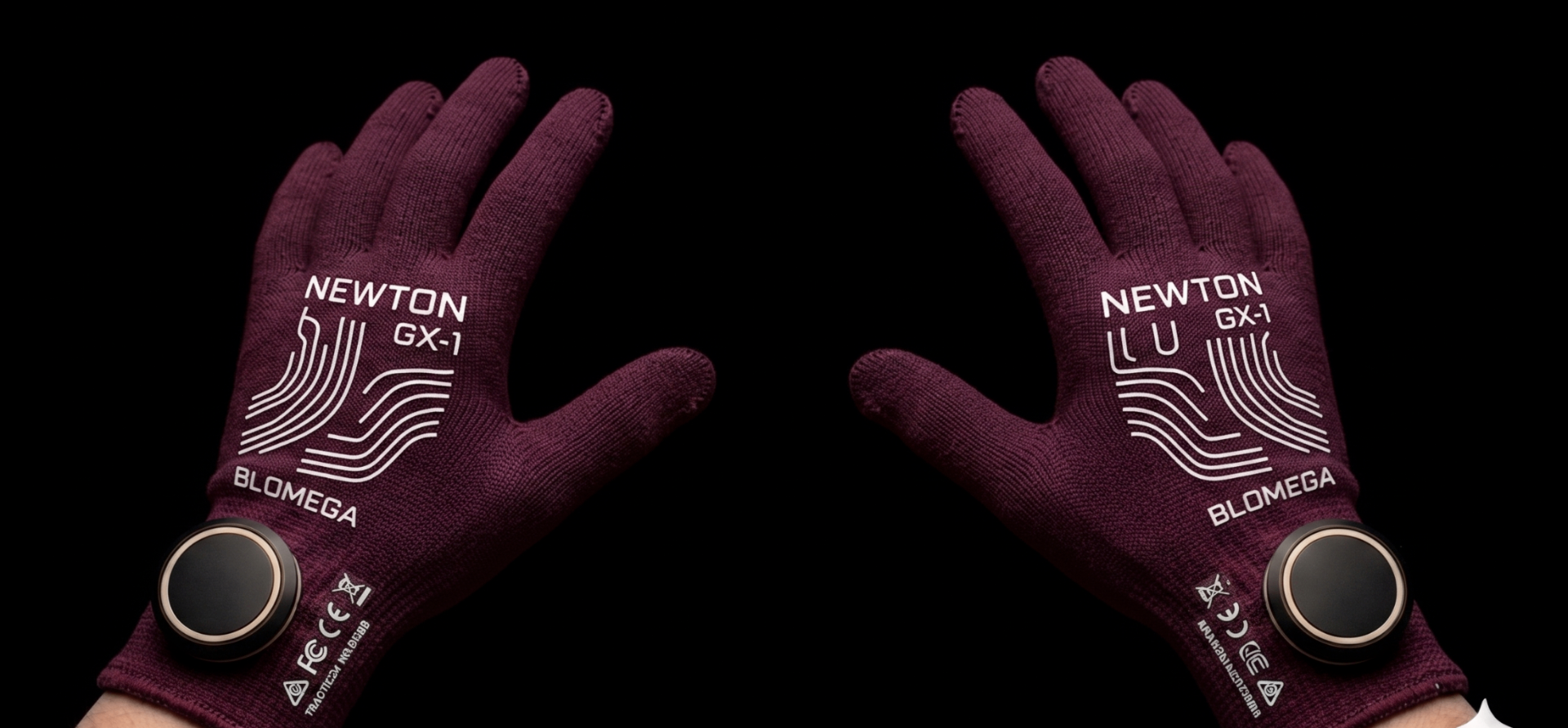
The rig has to be actually wearable, not a research prototype, not a rig that needs a technician to fit, for the growth curve to materialize. QA has to happen automatically or the reject rate destroys the throughput advantage. And the payment layer for a distributed workforce of skilled operators has to exist as real infrastructure, which is why we built Talika.
None of these are unsolved problems. All of them are engineering, and all of them are on the roadmap of every serious wearable-capture company in the market.
Building or training robots?
We license manipulation datasets and run custom capture programs. Get in touch to see what fits.