
The Emerging Standard for Manipulation-Data Delivery
There is no formal standard yet for how a manipulation dataset should be shipped. There is, informally, a converging one, and vendors that ignore it pay the price in integration weeks.
There is no committee that will approve a standard file format for robotic manipulation data any time soon. There is, however, a converging informal one, the shape that most frontier-lab training pipelines have independently ended up expecting, and vendors that ship in that shape close integration in days rather than weeks.
What the informal standard looks like
A per-episode container, Parquet, HDF5, or Zarr, that groups all channels for one demonstration. Time-aligned tensors for vision (multi-camera), proprioception (joint angles, hand pose), force (per-finger, hardware-timestamped), and language (task label, sub-goal annotations). A metadata block with operator ID, task ID, environment ID, capture rig version, and firmware hash. And a manifest at the dataset root that lists episodes with their properties for filtering.
Every serious ingestion pipeline in the industry can consume something close to this with a thin adapter. Vendors that deviate, proprietary binary formats, custom timestamp conventions, missing metadata, force every buyer to write and maintain a custom loader, and it is one of the fastest ways to lose repeat business.
Why this matters more than the marketing suggests
A model team's time is scarce. Every hour spent writing a data loader for a vendor is an hour not spent training. Vendors who ship in the informal standard become the vendor of least friction, and least friction wins retention.
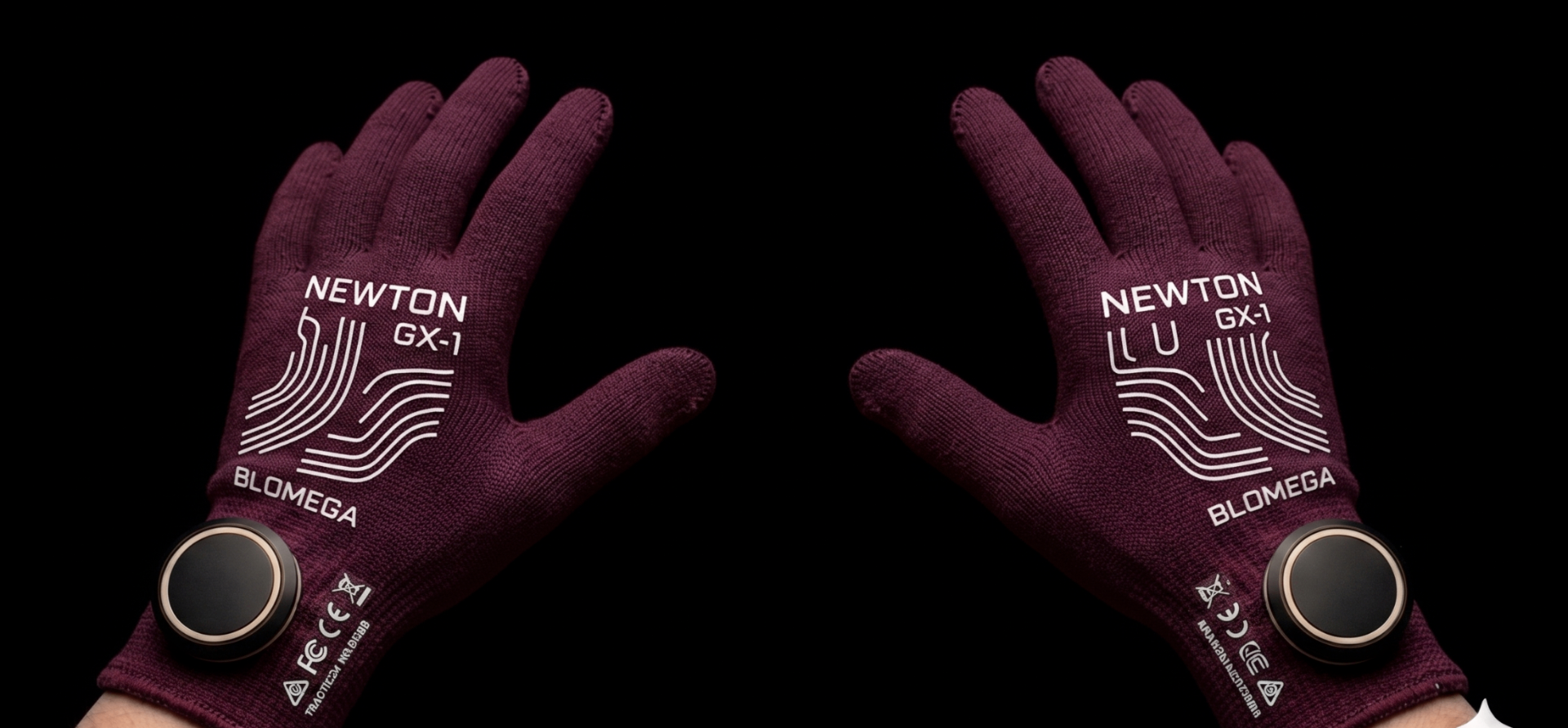
This is one of the things BLO LAB got right early: the delivery format is designed to plug into a lab's training pipeline the same day the first hour of data arrives, not two sprints later.
Building or training robots?
We license manipulation datasets and run custom capture programs. Get in touch to see what fits.