Why Every Serious Robotics Lab Is Building Its Own Hand
Genesis AI shipped a proprietary dexterous hand alongside its foundation model. So did most of its peers. The reason is not vertical integration for its own sake, it is that the hand defines what the data has to look like.
Look at the hardware announcements from the leading dexterity-focused labs in the last twelve months and a pattern is obvious: almost every one of them has shipped, or is about to ship, a proprietary five-finger hand. Genesis AI unveiled one alongside GENE-26.5. Others have followed the same playbook. The obvious question is why, off-the-shelf dexterous hands exist, and building your own is a multi-year hardware program.
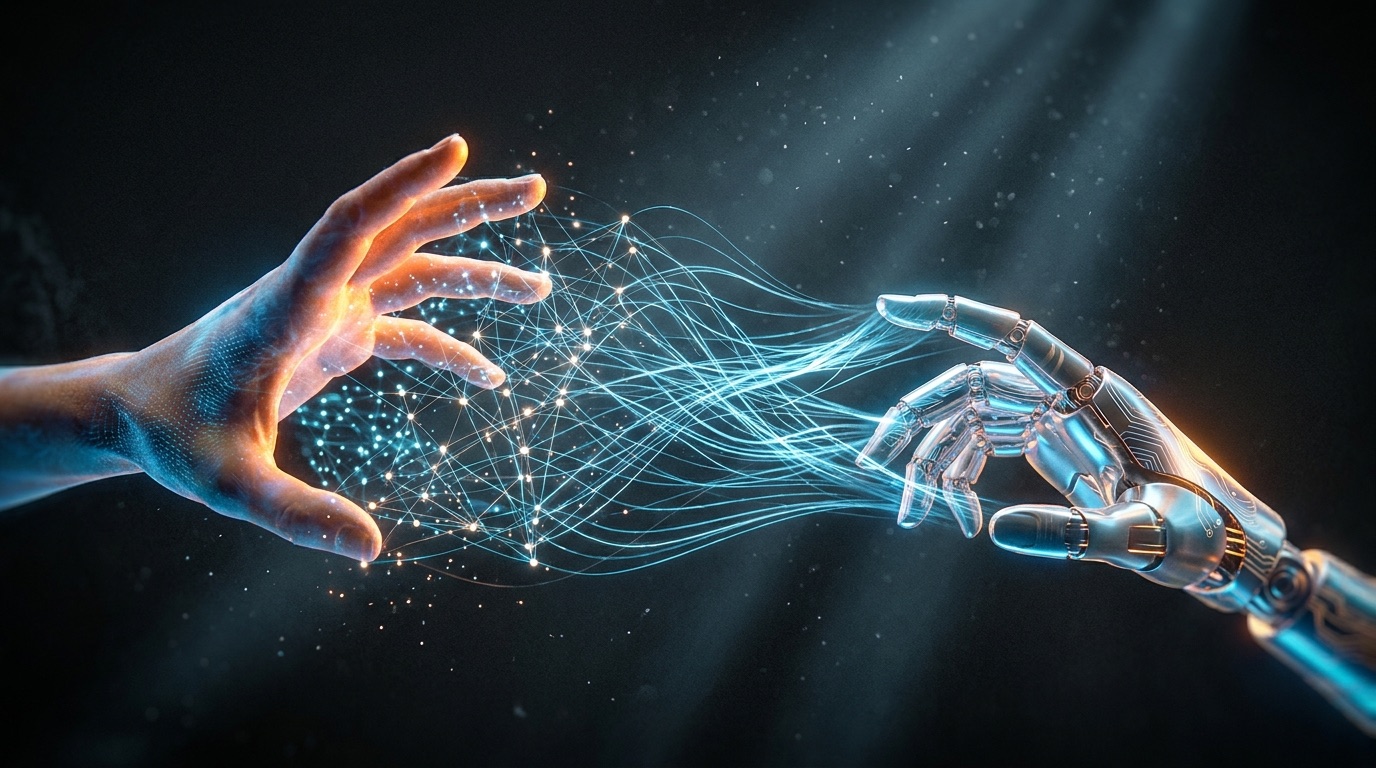
The answer is not that vertical integration is fashionable. The answer is that the hand defines the data. And if the data is the moat, the hand is the mold that shapes it.
The joint count problem
A policy learns the joints it was trained on. If the training data is captured from a 21-DoF human hand and the deployment hardware is a 12-DoF simplified gripper, the mapping between them is lossy and has to be redone every time either side changes. The cleanest way out of this is to co-design the capture hand and the deployment hand so their joint structures line up, ideally so the capture rig produces trajectories that can be replayed on the robot hand with minimal retargeting.
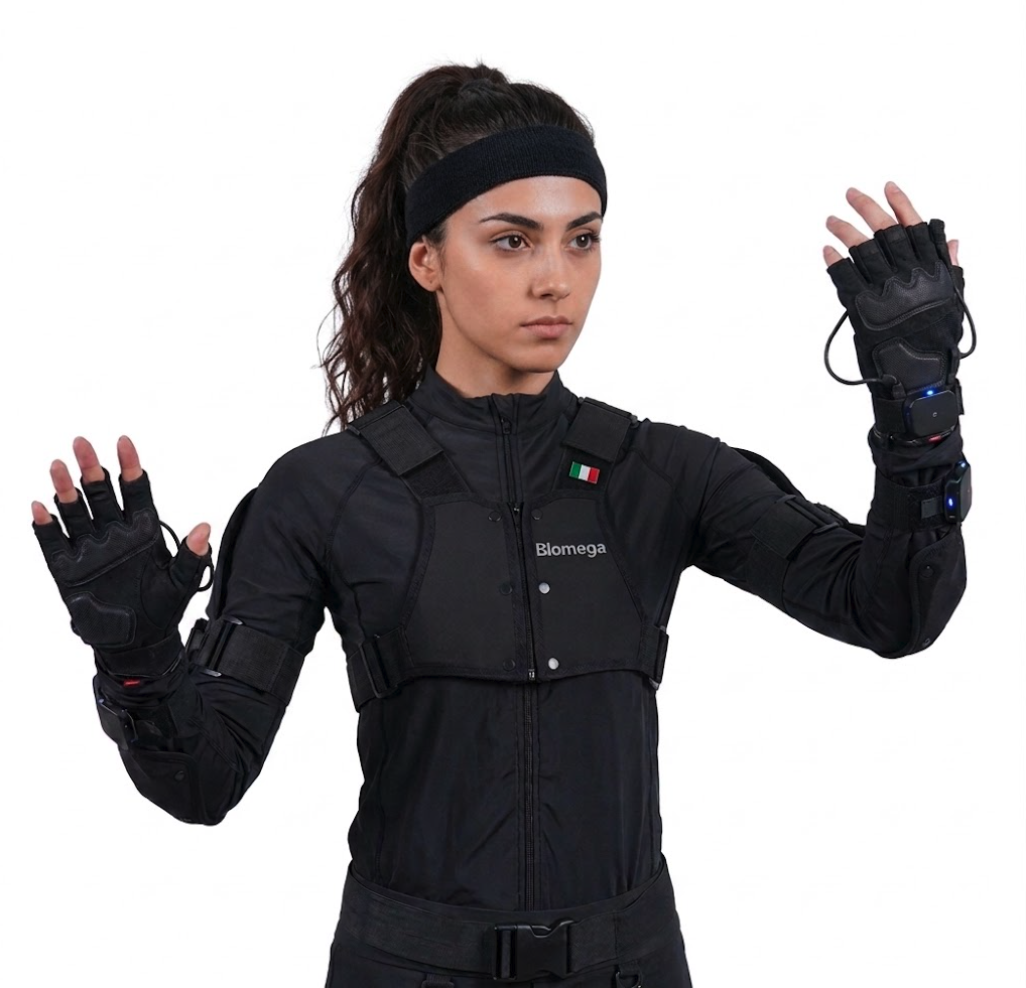
This is why labs building their own hands almost always build their own gloves too. The pair is what defines the interface. And whichever lab controls that interface controls the shape of every dataset it builds and every model it ships.
The force channel problem
The other reason to build your own hand is that off-the-shelf dexterous hands rarely publish or expose the force signal the way a foundation model needs it. Per-fingertip normal force, at hundreds of hertz, hardware-timestamped against vision, that is a niche spec. Most commercial hands optimize for something else: robustness, cost, silent operation, industrial IP ratings.
A hand designed for a foundation-model program has to optimize for signal quality. That is a different product, and it is why it usually ends up being built in-house.
What this means for the capture layer
If every serious lab is building its own hand, and every hand implies a matched glove, then the capture layer of the industry looks like a small number of tightly coupled hand-plus-glove pairs, each defining a slightly different data format. That is a fragmented world, and it is also the world we are in.
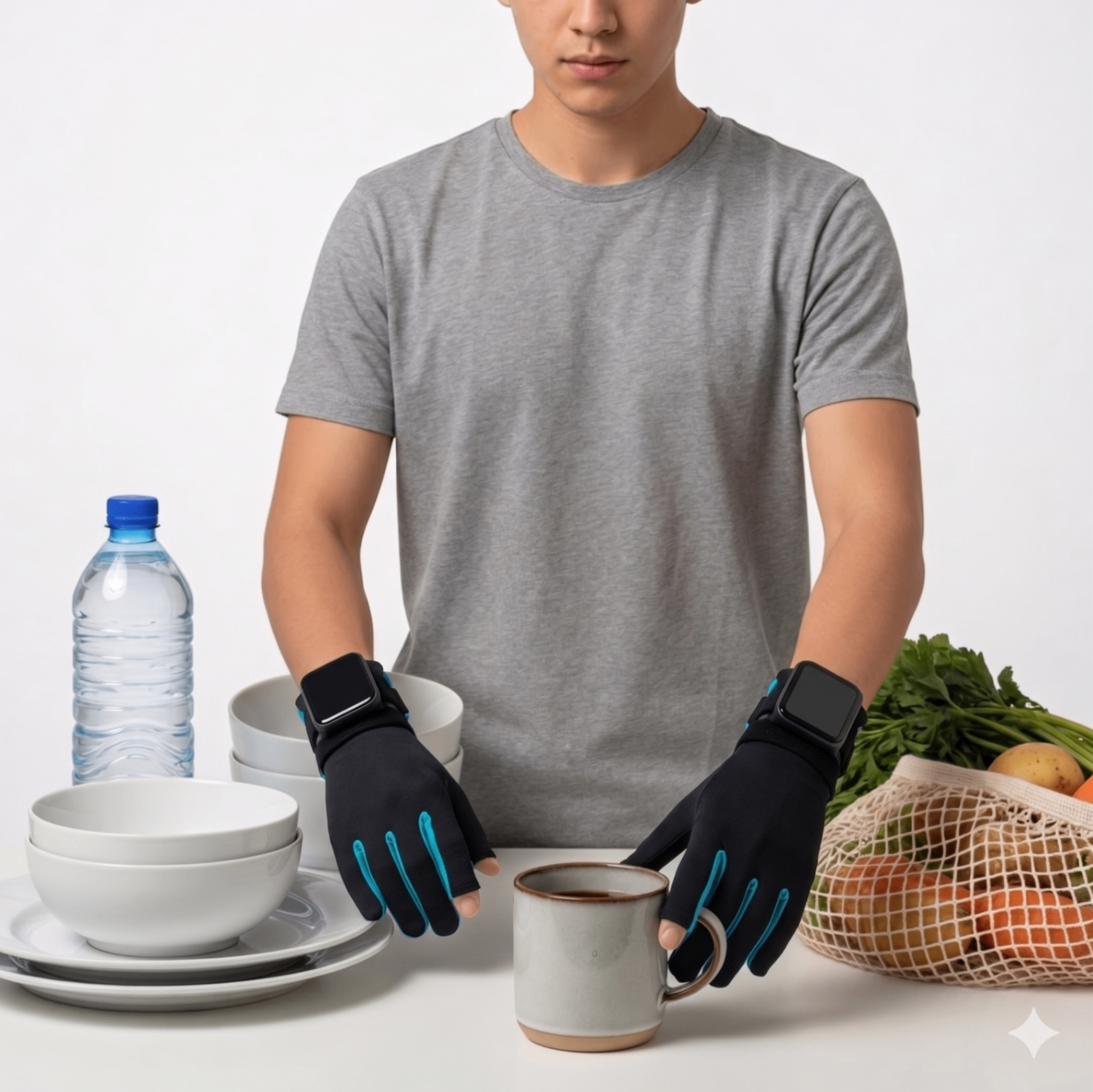
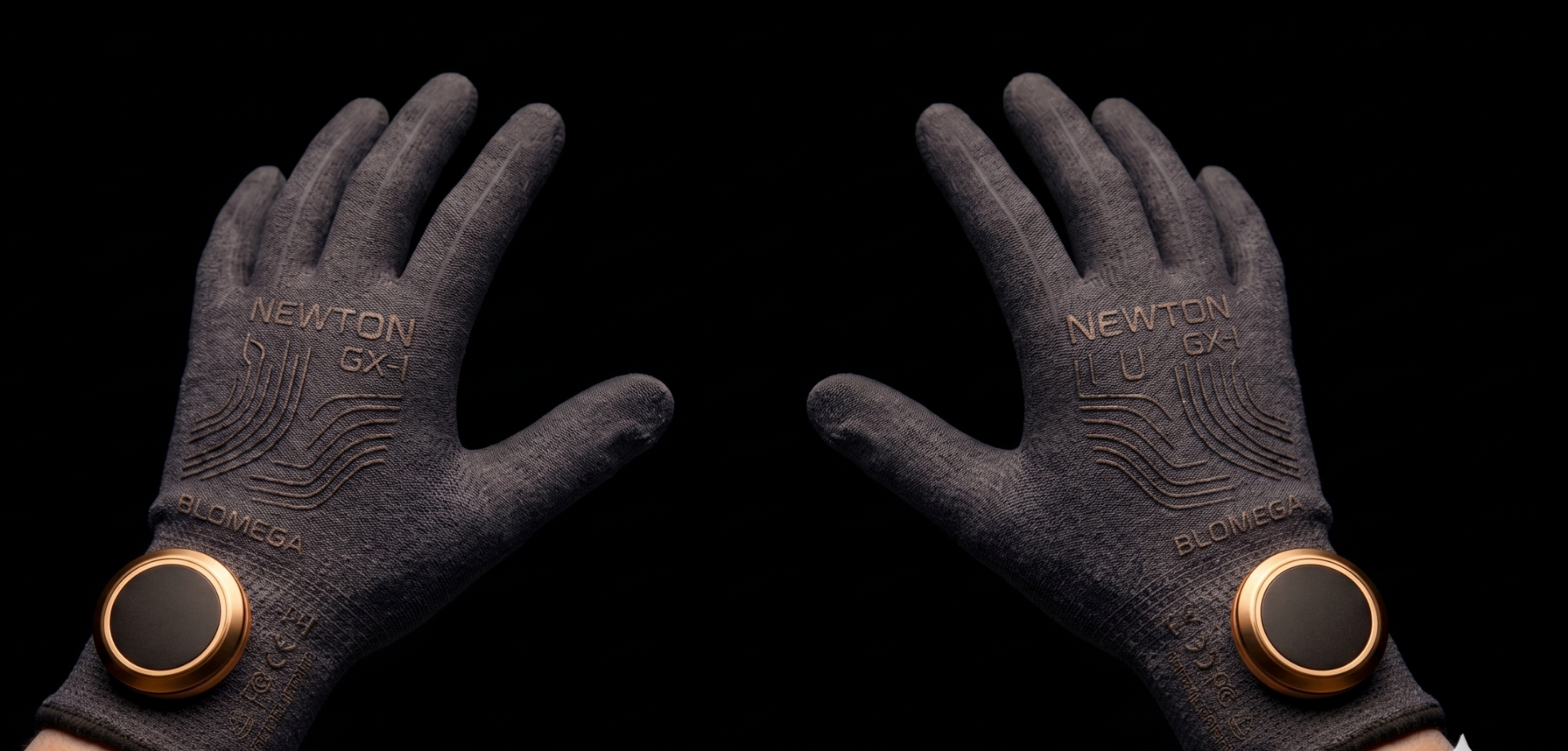
The way through it is not to pretend there will be one standard. It is to build capture systems that are honest about the retargeting layer, that expose raw signal cleanly enough for any team to remap into their own hand model. That is the design goal of the BLO LAB glove: not to lock a team into our joint mapping, but to give them the underlying signal at the fidelity a foundation model needs, and let them retarget into whatever hand they are shipping.
The labs that build their own hands should keep building them. The value we add is one layer down: the signal that feeds whichever hand they picked.
Building or training robots?
We license manipulation datasets and run custom capture programs. Get in touch to see what fits.