The Universal Robot Brain Has a Universal Data Problem
A single foundation model that drives any robot on any task is the most ambitious bet in physical AI. Its ceiling is not compute, it is the breadth and fidelity of the demonstrations you can feed it.
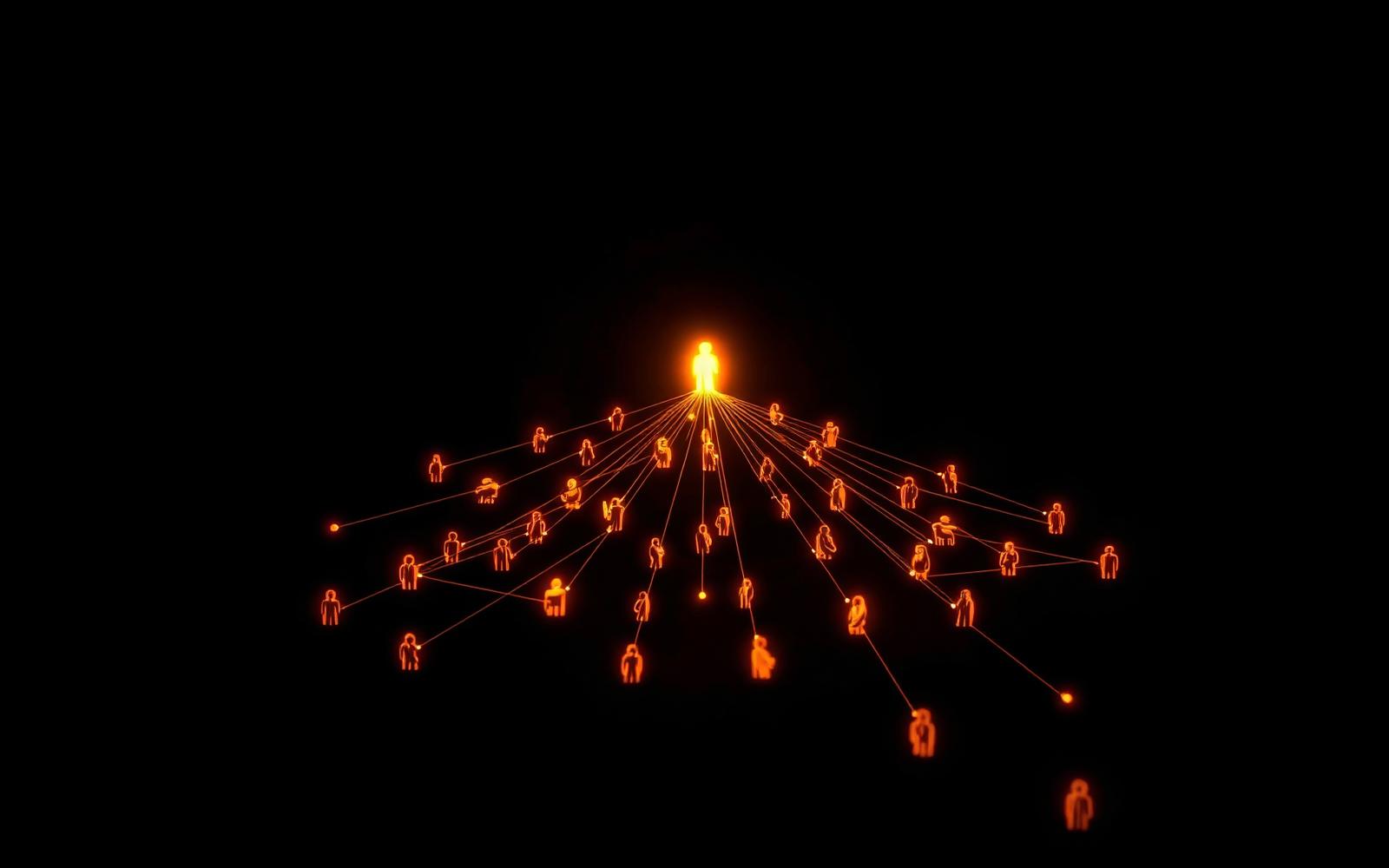
The most ambitious thesis in robotics right now is that one model should drive every robot. Not one model per arm, per hand, per factory line, one horizontal brain that a humanoid, a bimanual manipulator, and a mobile picker can all load. Genesis AI has raised $105M on exactly this bet, and their GENE-26.5 release makes the shape of the pitch concrete: a foundation model plus a proprietary dexterous hand, targeting cooking, wire harnessing, lab automation, and other long-horizon contact-rich work.
The technical argument for a universal brain is strong. Every embodiment-specific policy has to relearn the same basic priors, that objects are rigid or soft, that friction exists, that a finger closing on a mug rim needs less force than one closing on a wrench. Sharing those priors across embodiments is where the compounding lives. It is the reason language models beat every previous NLP approach and it is the reason the same architectural bet is now being made for physical action.
But the constraint on that bet is not the architecture. It is the data.
What a universal policy needs that a narrow one does not
A single-task policy for a single arm can be trained from a few thousand well-chosen demonstrations on that exact hardware. A universal policy needs the opposite: coverage across embodiments, across tasks, across environments, and across the long tail of failure and recovery that a narrow policy never has to see.
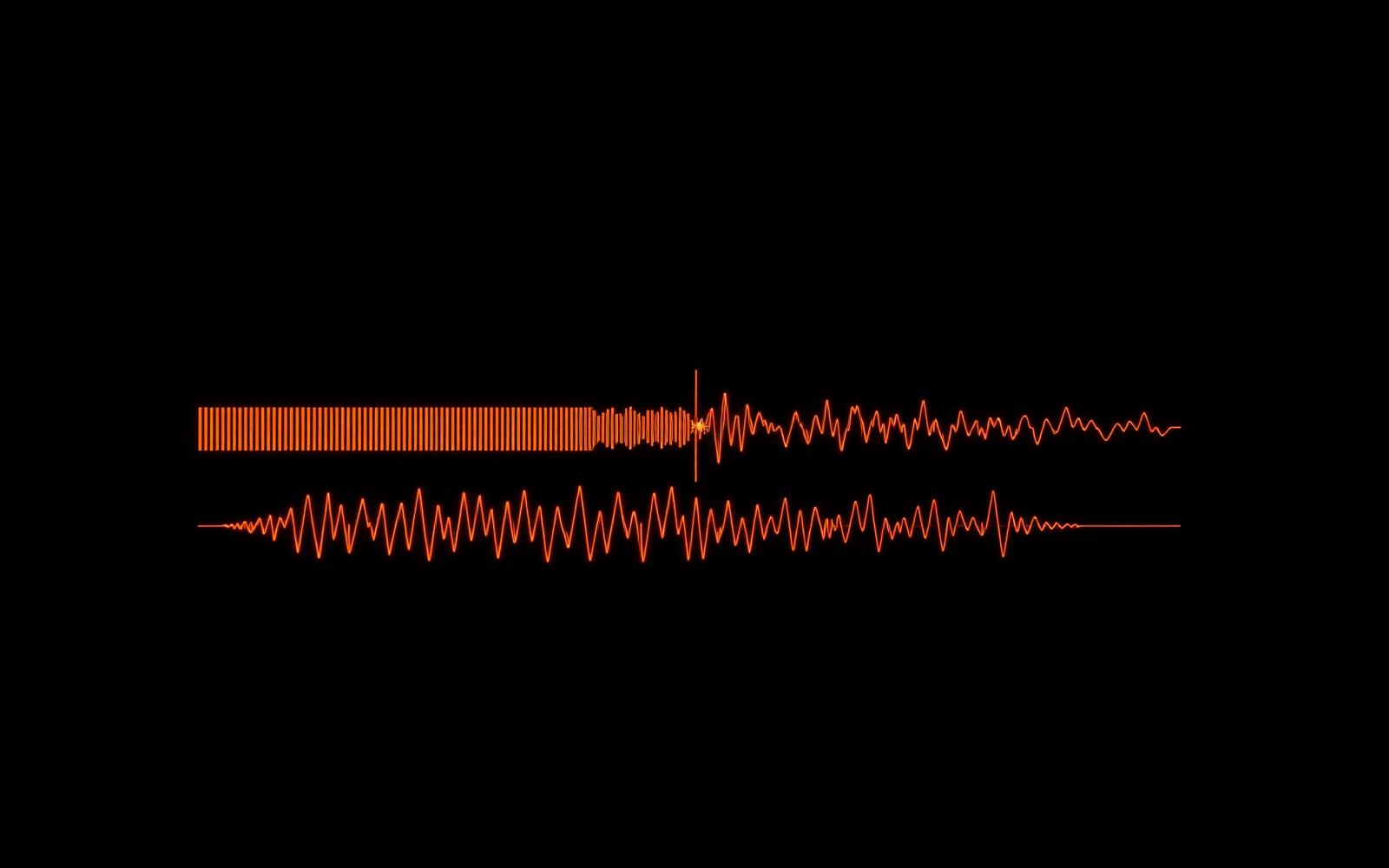
That translates into a data specification most teams underestimate. You need paired data across at least two embodiments per task family, so the model can learn that the intent is invariant even when the joint configuration is not. You need force and tactile channels on every contact-rich demonstration, because a policy trained on vision alone cannot generalize the way a policy trained on vision plus force can. You need enough operators per task that the model does not overfit one person's idiosyncratic grip. And you need it captured at rates fast enough, sub-frame for force, at least 60Hz for hand pose, that the fine structure of contact events is preserved.
The number of hours of data that meets this bar, publicly available today, is a rounding error compared to what a universal brain actually needs. Which is why every serious lab has stopped waiting for it and started building capture.
The full-stack turn
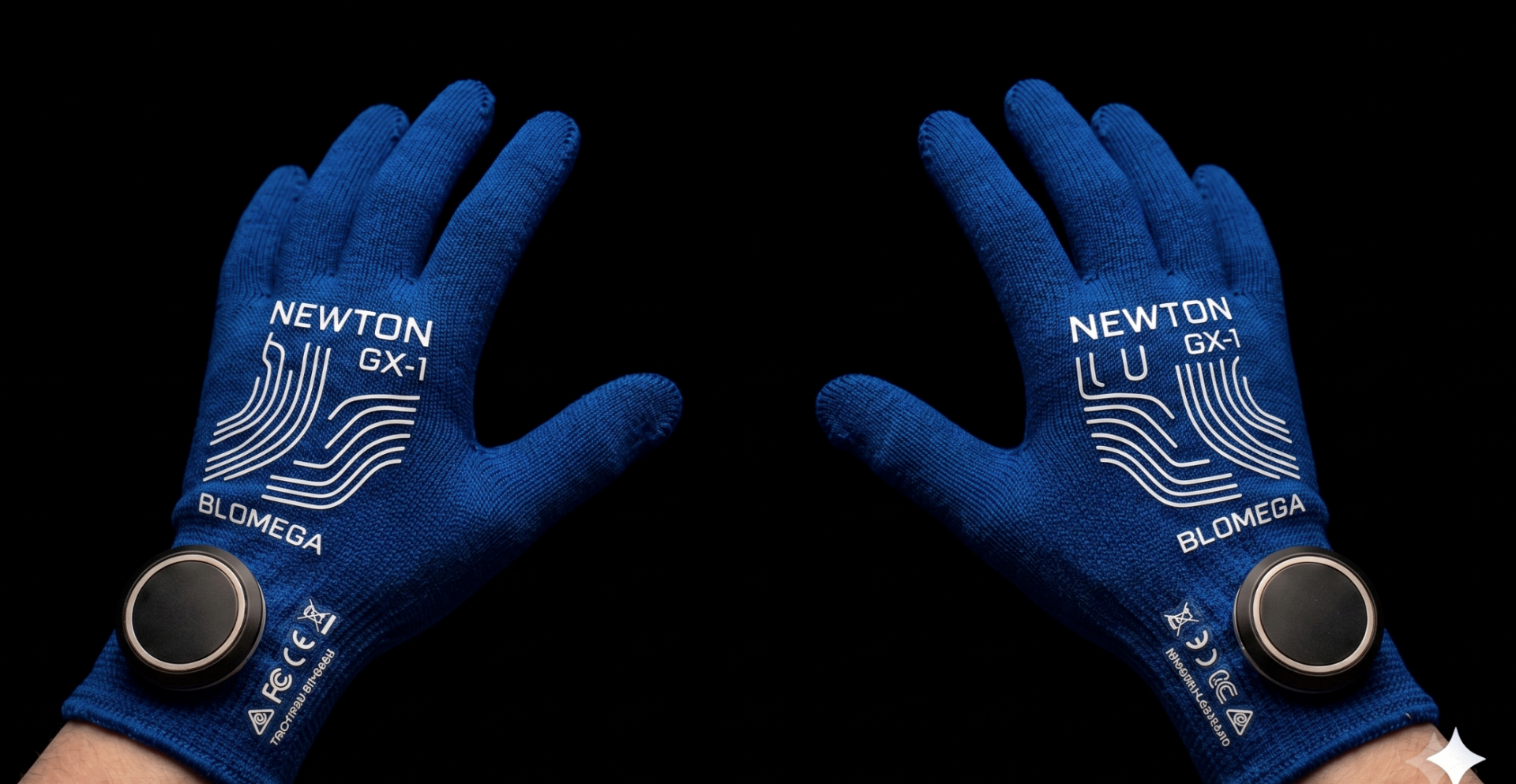
It is not a coincidence that Genesis AI shipped a robot hand and a capture glove alongside the model. Neither is it a coincidence that other labs targeting a universal policy are doing the same. The full-stack turn, model plus hardware plus capture, is happening because you cannot outsource the data pipeline for a foundation model whose value proposition is generality.
The tension is that going full-stack is expensive. Every hour spent designing a glove, running an operator network, and QA-ing trajectories is an hour not spent on the model. This is where the industry is starting to split: labs that build everything themselves, and labs that specialize in one layer and license or partner for the rest.
Both models can work. The one that does not work is the one where the model team assumes that data will show up. Public datasets will not close the gap. Video scraped from the internet will not close the gap. Only structured, embodiment-aware, force-annotated demonstration capture at scale closes the gap.
Where BLO LAB fits
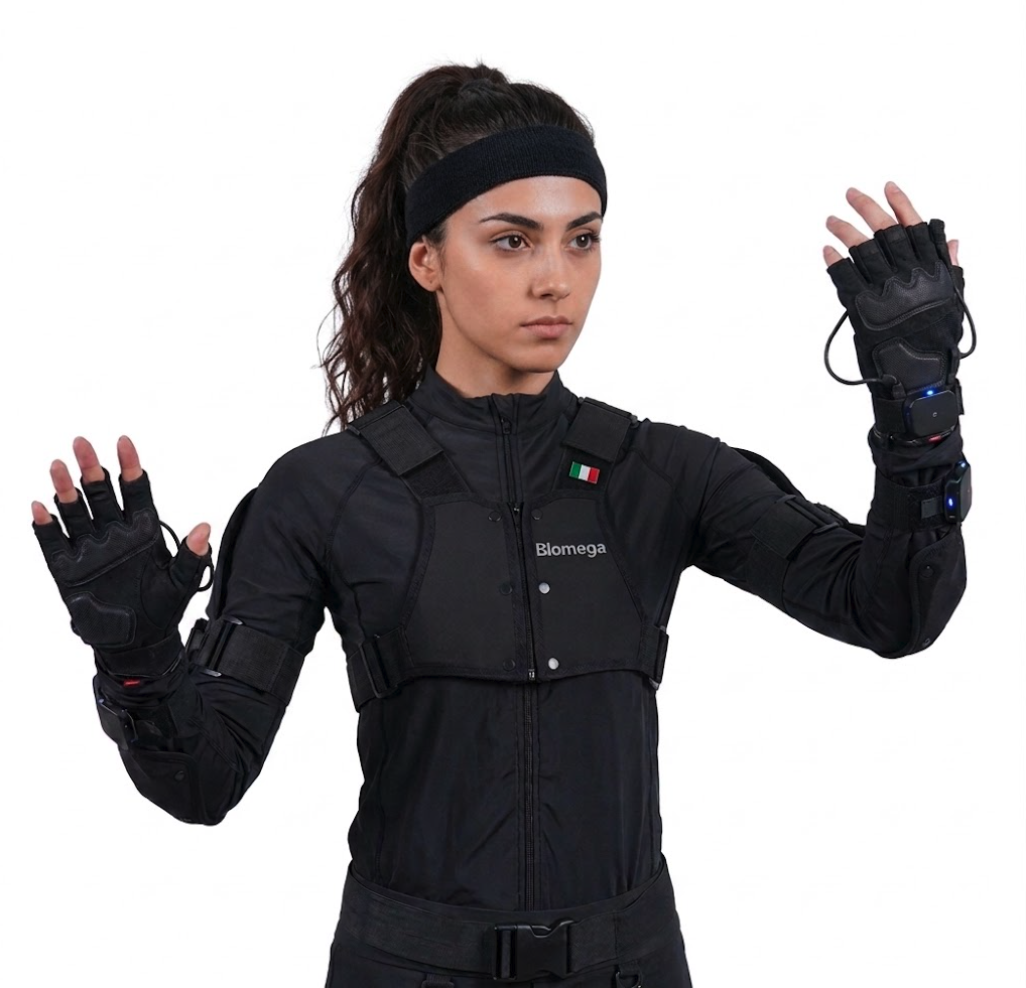
We do not build the brain. We build the pipeline that feeds it: gloves, suits, and straps that capture dexterous human work at the resolution a universal policy actually needs, paired with an operator network that can be pointed at any task family a model team wants coverage on.
For teams betting on a horizontal foundation model, this is the layer that decides how fast you can move. You can build it in-house, many of the best teams do, or you can license it. Either way, treating capture as a first-class part of the model roadmap is what separates the labs shipping GENE-class demos from the ones still waiting on their next data run.
Building or training robots?
We license manipulation datasets and run custom capture programs. Get in touch to see what fits.