The Hundred-Million-Hour Question
A universal manipulation policy will eventually need something like a hundred million hours of demonstration data. Nobody in the market can currently produce that. The path to it is the real strategy question.
Scaling laws for language models pointed at trillions of tokens. The equivalent number for physical-AI foundation models is not yet established, but the credible estimates from the labs actually training these models cluster around a hundred million hours of high-quality manipulation demonstration for a robust general-purpose policy.
The industry today produces something on the order of a hundred thousand hours per year across all vendors combined. Closing a three-order-of-magnitude gap is the real strategic question of the decade for this space.
Why teleop alone cannot get there
At $500 per usable teleop-hour fully loaded, a hundred million hours is $50B. That number is not going to be spent by any consortium. Teleop, on its own, is the wrong architecture to close the gap. It has to be the layer that produces the highest-fidelity slice of the data, not the layer that produces the volume.
Why wearable is necessary but not sufficient
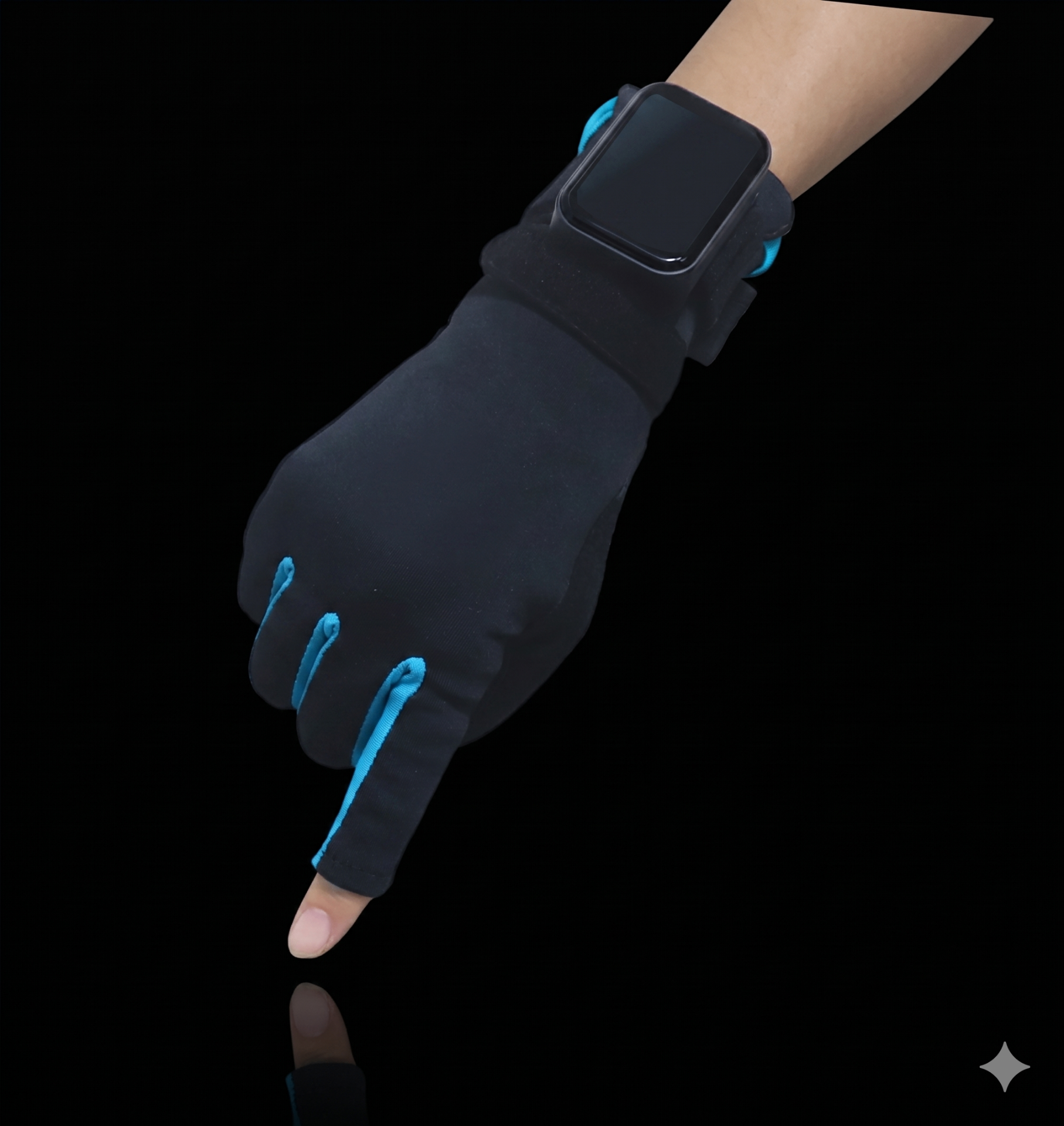
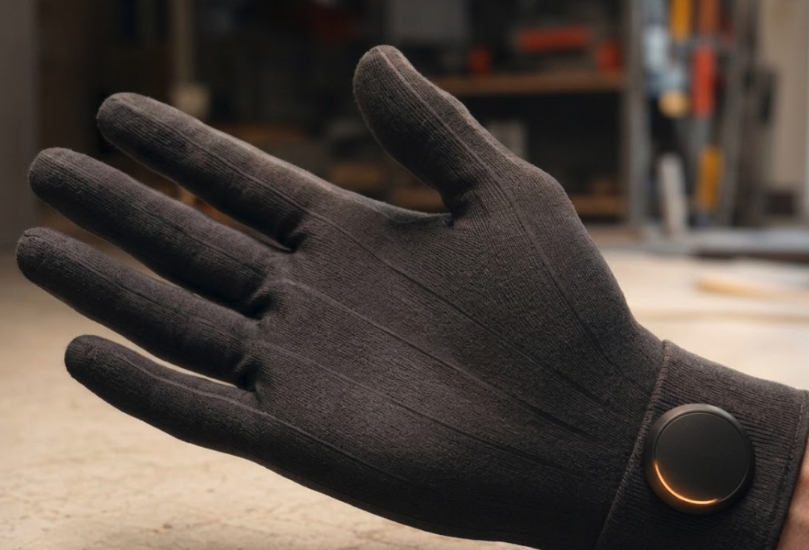
Wearable capture, at a quarter of that cost, still puts a hundred million hours at $10B+. That is closer to something a coordinated industry could produce, but it still requires an operator network on the order of a million active skilled workers globally. Building that network is the real work of the next five years, and it is why Talika exists as a platform-scale answer rather than a research project.
The coordination that closes the gap
The only credible path to a hundred million hours combines wearable capture at scale, a global operator network, high-fidelity teleop for the last-mile embodiment tuning, and simulation as a multiplier where it can be trusted. No single vendor will produce all of this. The industry structure is going to look like coordinated specialists, capture-hardware companies, operator networks, teleop-warehouse operators, simulation providers, and the frontier labs that consume all of it.
This is the ecosystem BLO LAB is built for. The wearable layer is our contribution to it. The operator network on Talika is the amplifier. The frontier labs are the customers. The teleop-warehouse companies are peers on adjacent problems, not competitors on the same one.
Building or training robots?
We license manipulation datasets and run custom capture programs. Get in touch to see what fits.