A Roadmap to General-Purpose Household Robots
Where the field is, where it is going, and what has to be true for household robots to ship.
General-purpose household robots have been three years away for two decades. This time, the underlying pieces are actually assembling. Hardware is credible. Models are credible. What is missing is the data layer, and it is the piece the industry is now racing to build. Here is an honest roadmap, with the caveats named where they need to be named.
Where the field actually is in 2026
Humanoid hardware from a half-dozen companies can walk, balance, and manipulate objects with two hands in controlled environments. Manipulation policies trained with a few thousand demonstrations reliably complete narrow tasks. Foundation-scale VLA models are producing genuinely surprising zero-shot behavior on tasks close to their training distribution.
What does not work yet: sustained multi-hour autonomy in an uncontrolled home, robust handling of the long tail of unfamiliar objects, and the kind of common-sense recovery humans take for granted. These gaps are all data problems more than they are architecture problems.
2026, Task-specialist robots
Robots that do one household task very well. Folding, dish loading, floor tidying, meal prep for a small menu. Each ships with a task-specific policy trained on tens of thousands of demonstrations. The addressable market is real, dishwashers, laundry, cleaning services, and the technical bar is achievable with today's data pipelines scaled up by a factor of two or three.
2028, Task-portfolio robots
A single embodiment handles ten to twenty tasks by switching between fine-tuned policies, orchestrated by a language layer. The bottleneck is data, specifically, the coverage of edge cases within each task and the transitions between tasks that a real user session actually contains. This is where distributed capture networks start to outpace centralized labs on breadth.
The customer here is not the general consumer. It is high-end residential, hospitality, and small commercial spaces where the labor problem is severe enough to justify a $50,000 device with ongoing service costs.
2030 and beyond, Generalist robots
A foundation model conditioned on natural language handles arbitrary requests within the home. The user says 'clean up the kitchen after dinner' and the robot does it, adapting to whatever it finds. Reaching this milestone requires roughly two orders of magnitude more real-world manipulation data than exists today, sustained fine-tuning against the specific home over months, and safety guarantees that current architectures cannot yet provide.
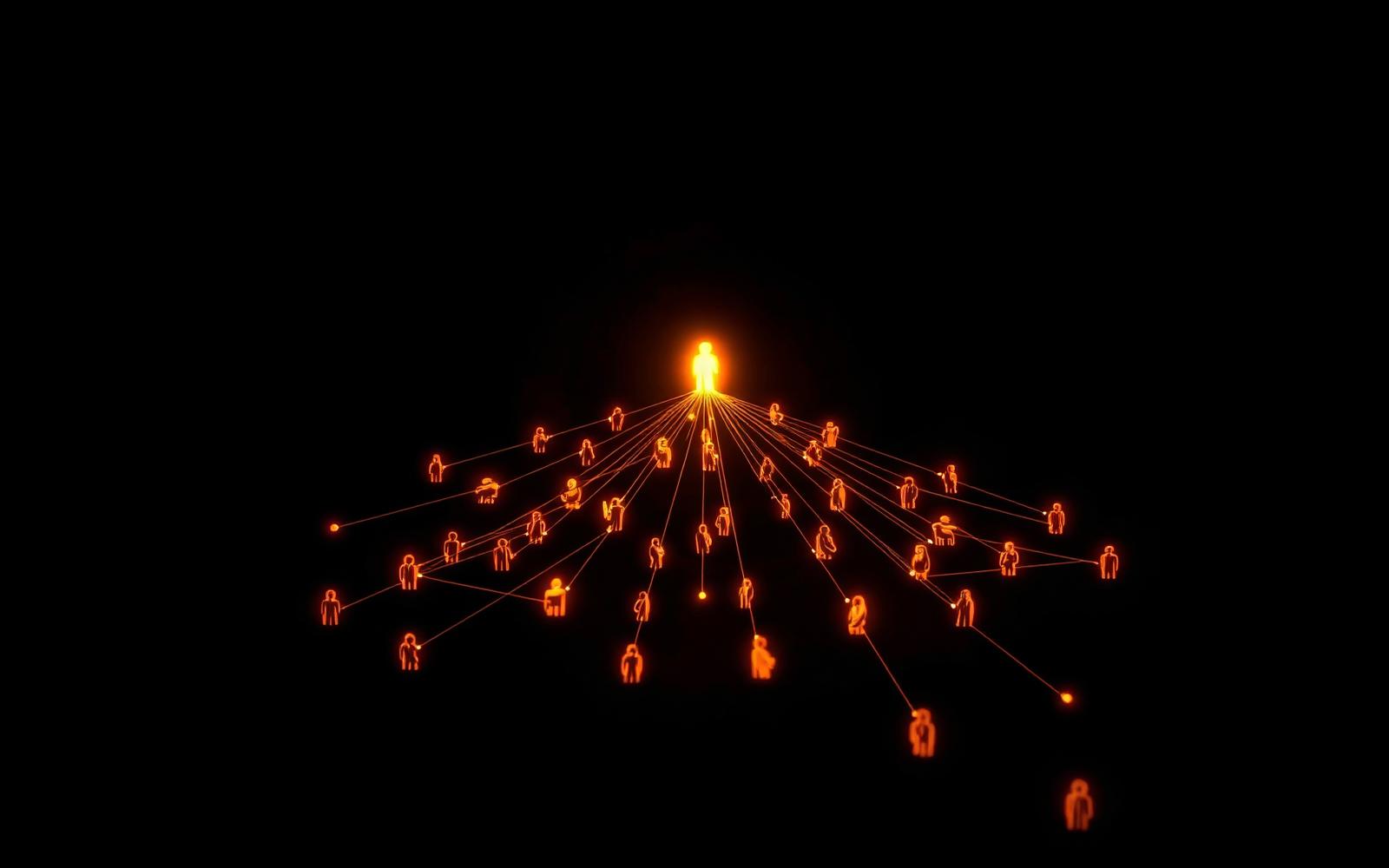
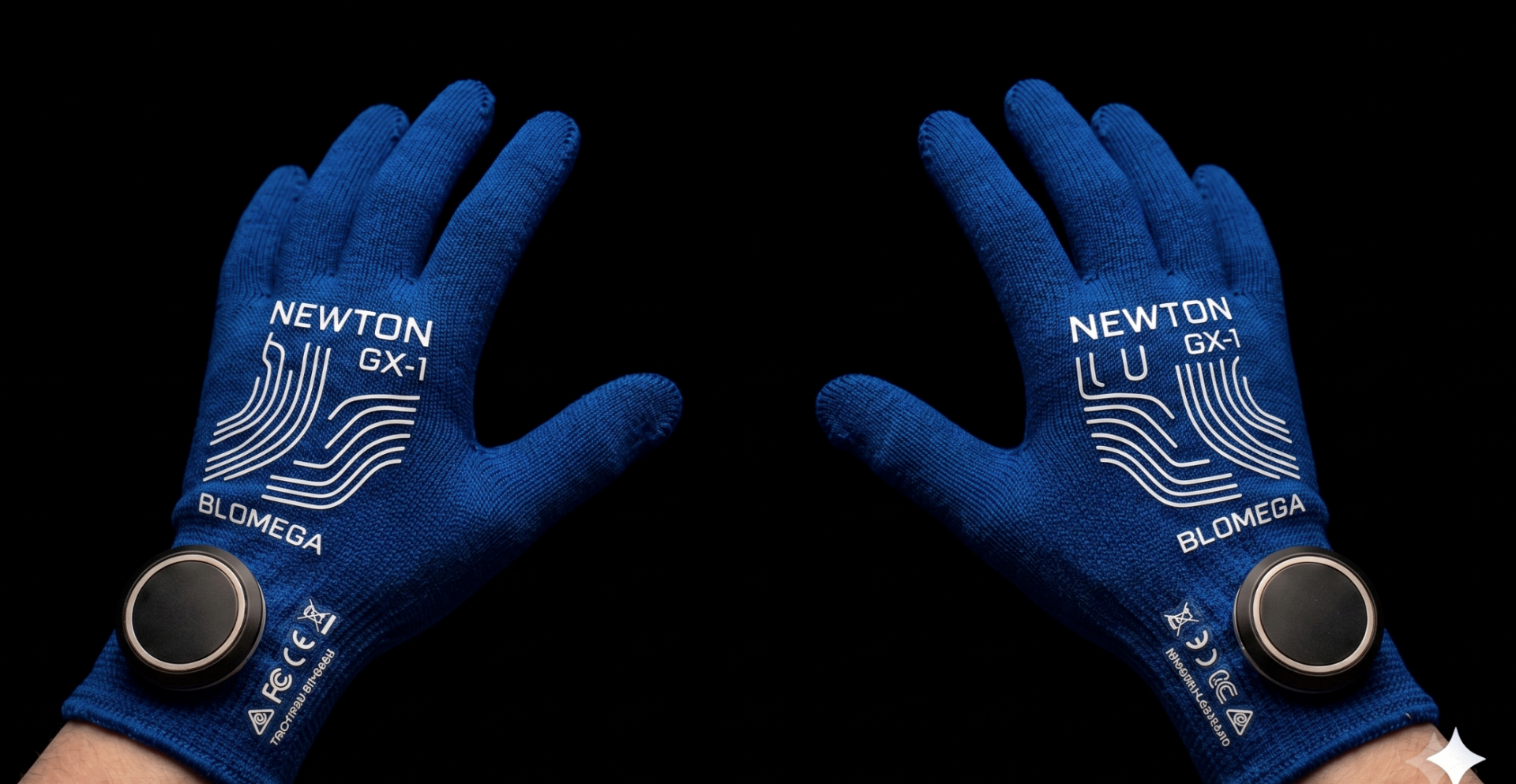
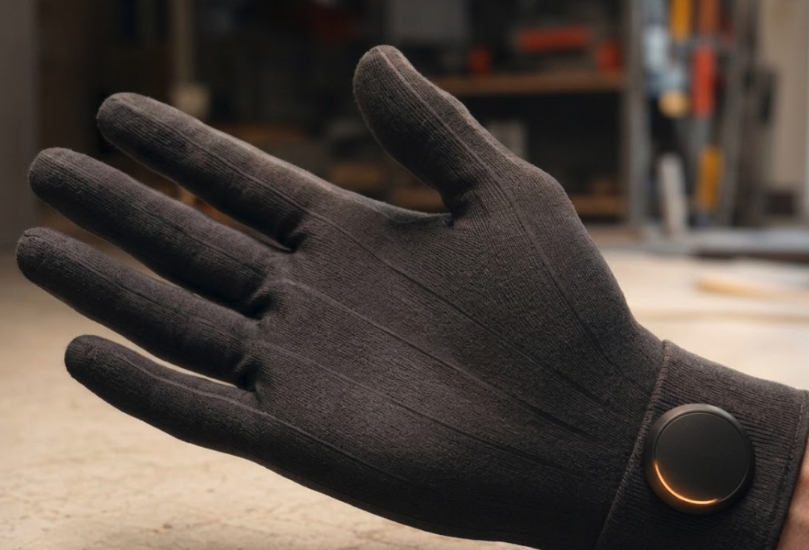
Producing that data at that scale, with that breadth of environments and tasks, is the industry's central challenge for the next five years. It is exactly what BLO LAB is built to solve.
The risks that could push these dates out
Battery density plateaus that constrain untethered runtime. Regulatory frameworks that make in-home data collection prohibitive. Insurance markets that refuse to underwrite humanoids in shared spaces until a track record exists. Any of these could push the generalist milestone into the mid-2030s.
The technical risks are actually the smaller ones. The industry has consistently underestimated the non-technical friction and overestimated the difficulty of the model work.
What has to be true
For the roadmap to hold, three things have to happen concurrently. First, the cost of high-quality manipulation demonstrations has to keep dropping toward the low single digits per demonstration. Second, the contributor networks producing that data have to grow into professionalized, sustainable workforces. Third, the training infrastructure has to keep pace so that the data becomes policies quickly enough to inform the next round of capture.
None of these are guaranteed. All of them are underway. The teams that treat data as a first-class engineering discipline, not a procurement problem, will be the ones that ship first.
Building or training robots?
We license manipulation datasets and run custom capture programs. Get in touch to see what fits.