The Operator Network Is Infrastructure
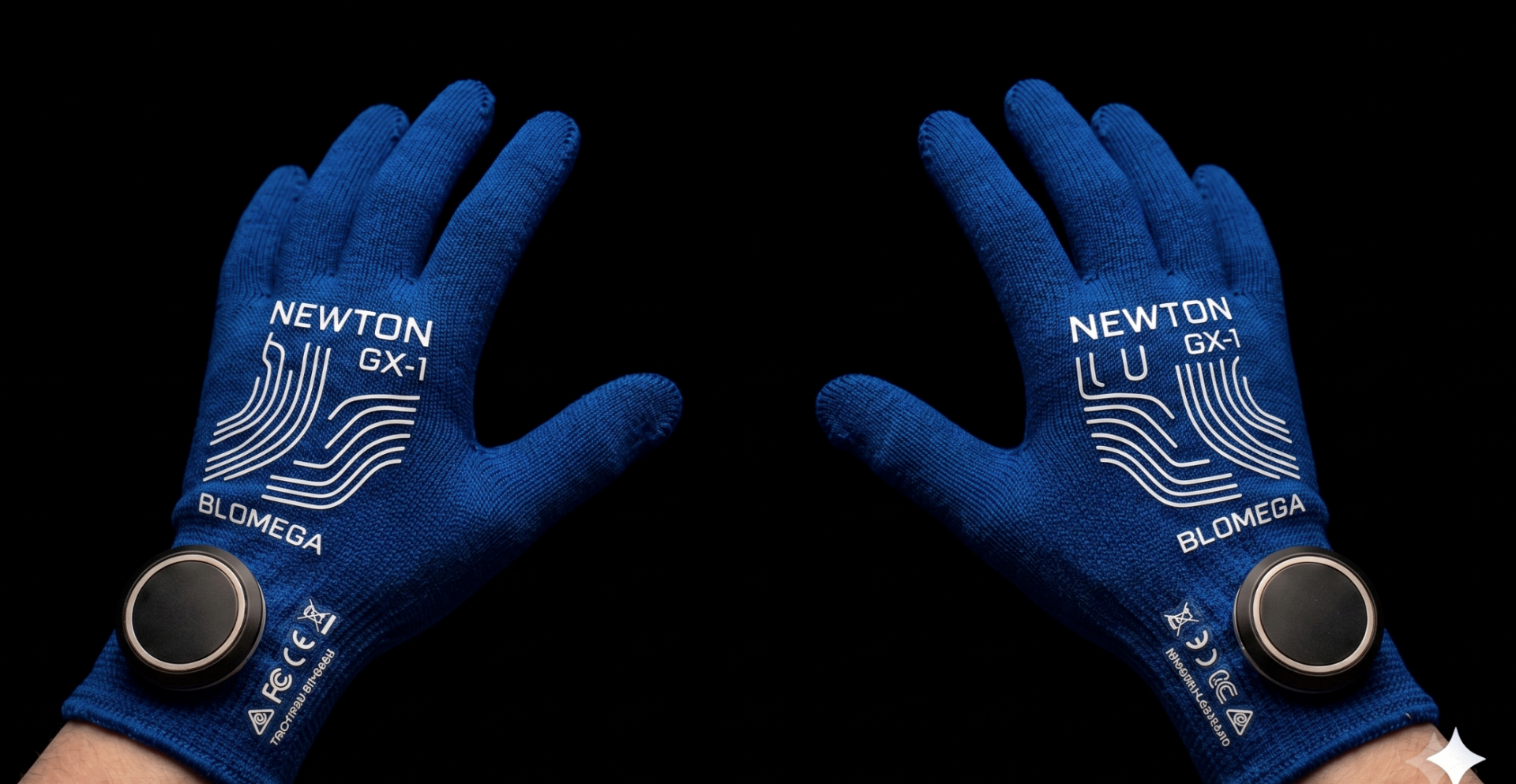
Foundation-model labs talk about compute, data, and hardware. The fourth pillar, the humans who wear the capture rig and do the work, is the one nobody has industrialized yet.
Every foundation-model roadmap has the same three pillars: compute, data, hardware. The one that is quietly becoming the bottleneck is the fourth: the operator network. The humans who wear the glove, put on the suit, and do the actual work that becomes the training signal.
Labs like Genesis AI can build a beautiful data engine, ship a proprietary hand and glove, and still be gated on how many skilled operators they can put in the loop per week. This is the layer nobody has industrialized yet, and it is where the next durable advantage in physical AI is likely to be won.
Why operator supply is a real constraint
A dexterous manipulation dataset needs three things from its operators. They have to be skilled at the task, you cannot learn expert cooking from an amateur cook. They have to be comfortable working in the rig, a glove that is fine for ten minutes is unusable for a full four-hour session. And they have to be paid, tracked, and coordinated at a scale that starts to look like a real workforce, not a research recruitment.
Each of these is solvable. Together, they are a company. Which is why the labs that are serious about scaling capture are either building their own operator programs or partnering with someone who has.
What good operator infrastructure looks like
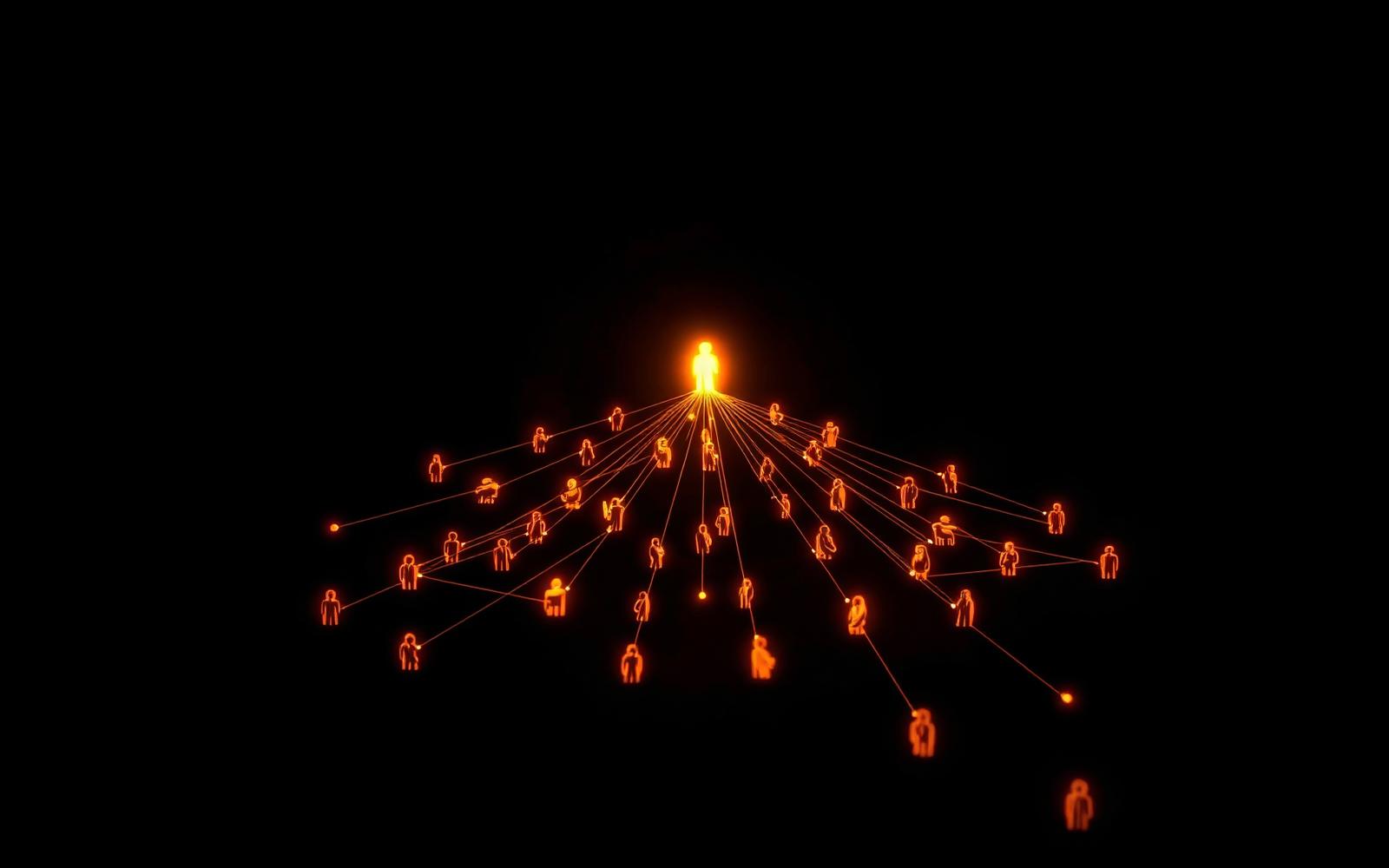
It looks a lot like a modern gig platform, except the workers are skilled and the output is training data, not deliveries. There is a way for someone with a specific skill, a line cook, an electrician, a seamstress, a lab tech, to sign up, get calibrated on a rig, take on task specs, produce sessions, get paid, and have their output QA'd and versioned before it enters a training set.
Talika is our answer to this shape of the problem. It is the platform that connects skilled humans to the model teams that need their demonstrations, with the payment, calibration, and QA infrastructure built in. For a lab targeting a universal dexterous policy, this is the layer that decides how fast their model improves, week over week.
The compounding advantage
Compute you can buy. Hardware you can build. A model architecture you can copy. An operator network with thousands of trained, calibrated, task-diverse contributors, that takes years to build and it compounds every quarter it exists. The labs that recognize this early and invest accordingly will out-run the ones that treat capture as a procurement line item.
For teams pursuing the same thesis as Genesis AI, a general-purpose brain for dexterous manipulation, the model is the visible product and the operator network is the hidden one. Both have to work. Only one of them shows up in the demo reel.
Building or training robots?
We license manipulation datasets and run custom capture programs. Get in touch to see what fits.