
OpenAI's Robotics Relaunch and What It Means for the Data Layer
The largest AI lab in the world reopening its robotics program tells us where the demand curve is going. What it does not tell us is where the supply is going to come from.
In mid-2026, OpenAI confirmed it was relaunching the robotics program it had shuttered in 2021. The announcement was short on details and long on signal. When the lab that defined the arc of language models decides that physical AI is worth another run, the rest of the industry updates its priors.
What the relaunch implies about the state of the art
OpenAI shut down its robotics program because the data problem was not tractable at the time. Reopening it now means, at minimum, that the internal assessment of tractability has shifted, and that shift is downstream of two things: better foundation-model architectures, and better tools for collecting manipulation data at scale.
Both of those are exogenous to OpenAI. The architectures came from the last three years of transformer scaling and diffusion policy research. The data tools came from companies like XDOF and BLO LAB and their peers. The relaunch is, in effect, a bet that the ecosystem around the lab has matured enough to make the second attempt feasible where the first one was not.
The demand-side implication
If the largest lab in the world is now shopping for manipulation data, so are the second and third largest. The frontier-lab customer profile is real, funded, and in a hurry. This is why data-infrastructure companies in this space have been raising at generous multiples, the buyers exist and they have budget.
The supply side is where the industry is not yet mature. There is not enough capture throughput in the market to feed the demand that is about to land. This is the shape of the opportunity, and it is why every serious wearable and teleop program is pushing hard on operator onboarding right now.
The coordination problem
The frontier labs will not standardize on one data vendor. They will not standardize on one embodiment. They will not standardize on one task spec. Each will build its own program with its own preferences, and the vendors that thrive will be the ones flexible enough to serve several without fragmenting their own pipeline.
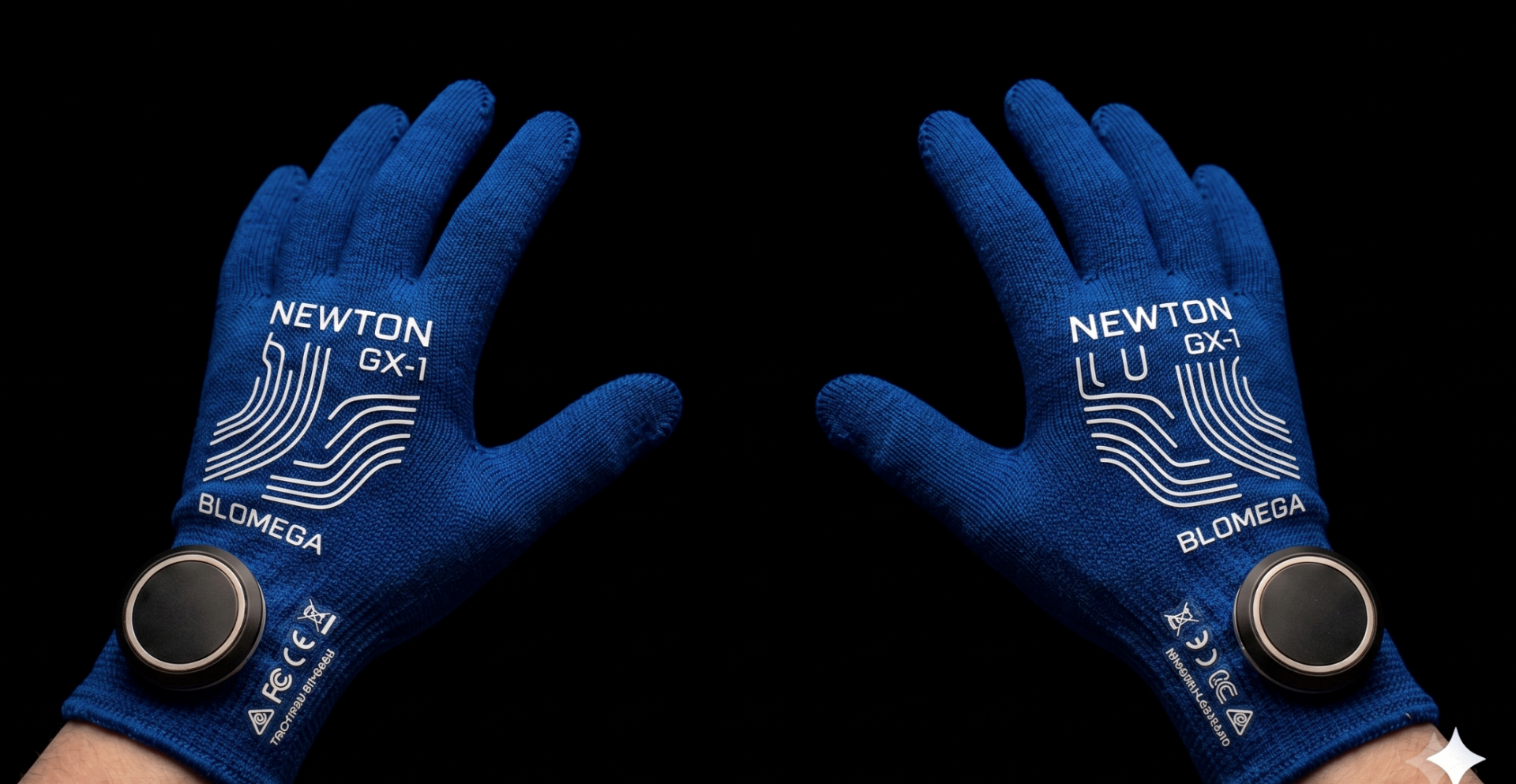
For BLO LAB, this means investing in the layers that stay constant across customers, the sensor stack, the capture protocol, the operator network, and treating the retargeting and delivery format as configurable per customer. It is the only structure that scales across a fragmented buyer landscape.
Building or training robots?
We license manipulation datasets and run custom capture programs. Get in touch to see what fits.