The Geography of the Operator Network
Where the operators live is not a footnote. It determines what skills are cheap to capture, what compliance regime applies, and what languages your annotation pipeline has to speak.
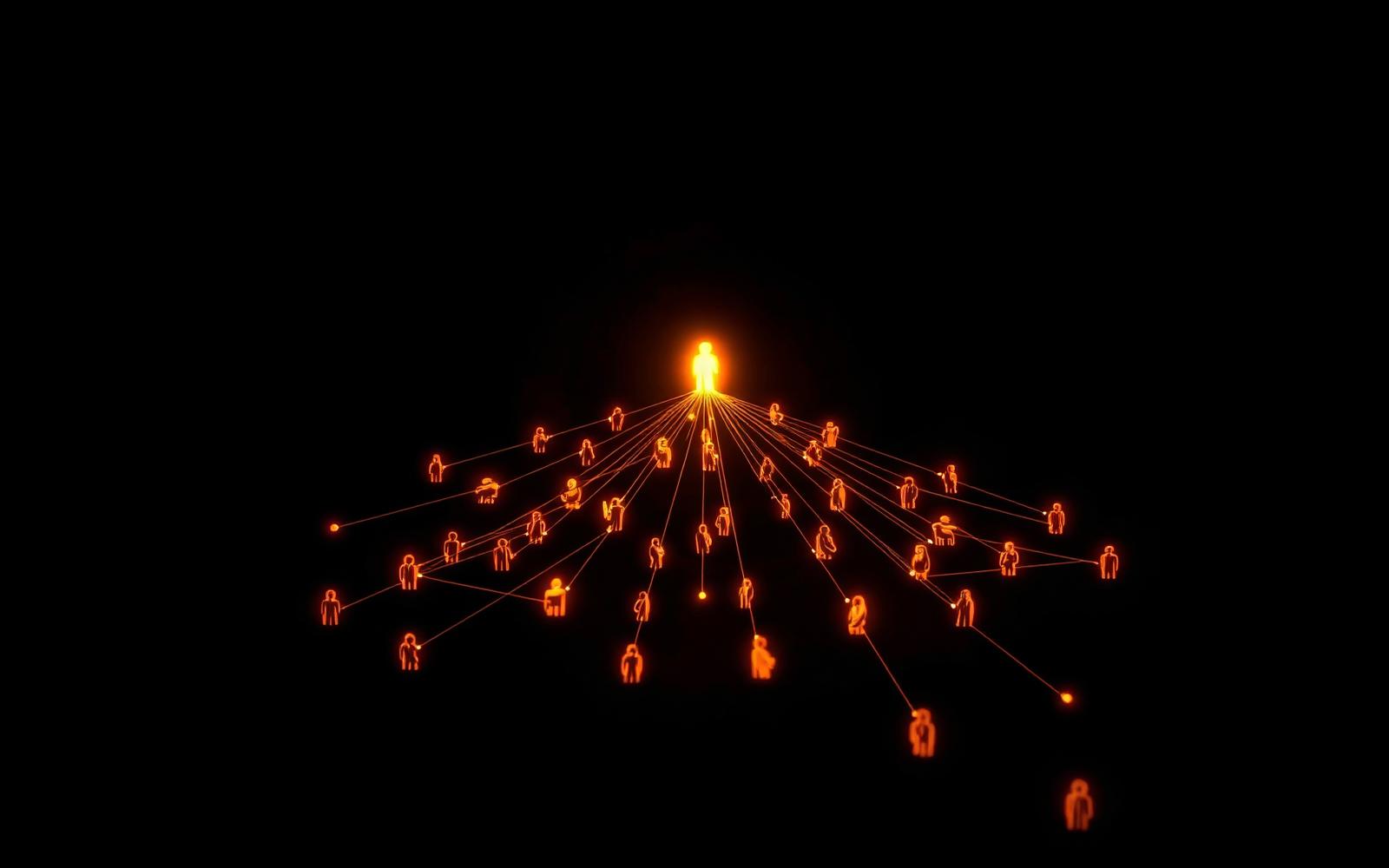
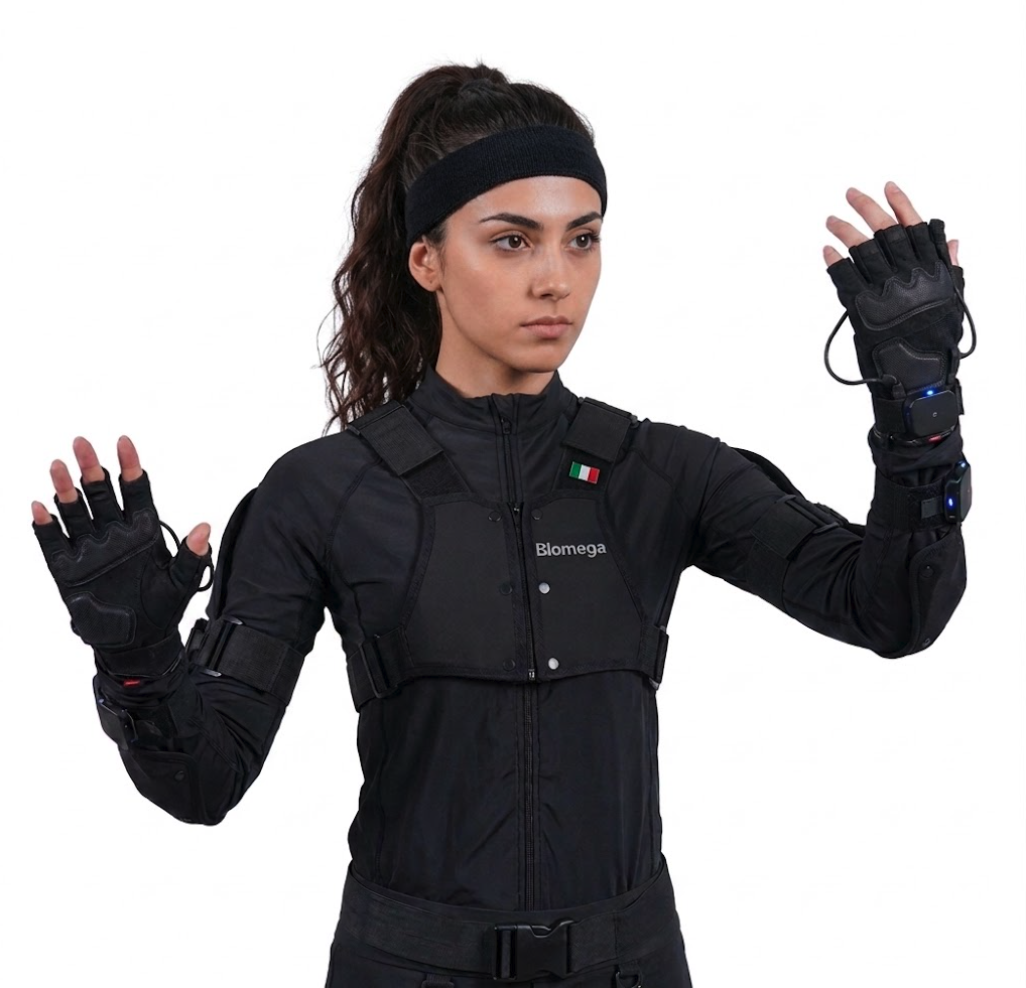
A teleop warehouse is located wherever the arms are. A wearable operator network is located wherever the operators are, and that geography turns out to be one of the most important strategic variables in the business.
Skill geography
Different skills concentrate in different places. Seamstresses in specific garment districts. Machinists in specific industrial regions. Line cooks are everywhere but sushi chefs cluster. Distributed operator networks can tap into these concentrations. Warehouse operations cannot, because moving a specialist to a warehouse for a six-month contract selects against the best specialists.
This means a wearable-first program can capture a broader palette of skills at higher expertise than any warehouse-based program, simply because the geography is more permissive.
Compliance geography
Labor law, data-protection law, and biometric-consent law all vary by jurisdiction. Operating a distributed operator network across many jurisdictions is a real compliance burden, one that the operator platform (Talika, for us) has to handle centrally so that neither the individual operator nor the customer lab has to think about it. Handled well, this is a moat. Handled badly, it is an existential risk.
Cost geography
Skilled operator wages vary by region. A wearable program can allocate task cohorts to the geography where the price-to-skill ratio is best. A warehouse-based program cannot, because the warehouse's real-estate footprint is fixed. This is another structural cost advantage of the distributed model, and it compounds with scale.
Building or training robots?
We license manipulation datasets and run custom capture programs. Get in touch to see what fits.