The 65% Problem: Why Fine Motor Skills Still Belong to Humans
Across advanced manufacturing, roughly two-thirds of remaining human labor is there for one reason, fine motor skill. Understanding that number is understanding where robotics goes next.
There is a number worth memorizing if you work anywhere near robotics: between 65% and 75%. That is the fraction of remaining human labor in advanced manufacturing that persists specifically because the task requires fine motor skill. It is not there because the environment is dangerous, or because the process is one-off, or because a robot would be too expensive to install. It is there because the current generation of robots cannot do it.
This number gets thrown around in investor decks, but it is worth taking seriously on its own terms. It defines the size of the prize for anyone building dexterous robotics, and it defines the shape of the data problem for anyone supplying training signal to those teams.
What counts as fine motor and what does not
Coarse manipulation, picking up a box, placing a component within a tolerance of a few millimeters, moving a tray from one conveyor to another, has been robotic work for years. The remaining human tasks live below that tolerance and above the reach of simple grippers. Threading a wire through a harness clip. Aligning a gasket by feel. Deburring a casting where the burr is invisible until your finger finds it. Folding a garment along a seam that varies from unit to unit.
The common thread is not complexity in the planning sense. A human doing these tasks is not solving a hard optimization problem in their head. They are exploiting a very trained tactile-motor loop that runs faster than conscious thought. That loop is what a dexterous policy has to reproduce, and it is what nothing in current industrial automation reproduces.
Why this fraction has been stable for a decade
Automation has been rolling forward for sixty years, but the share of human labor spent on fine motor work has been roughly flat for at least the last ten. Every wave of automation eats the coarse tasks and leaves the dexterous ones behind. The ratio does not improve because the underlying capability gap has not closed, better arms and better vision do not, on their own, make a gripper more dexterous.
What closes the gap, if anything does, is a different pipeline: multi-finger hardware, force and tactile sensing, and policies trained on trajectory-level demonstrations of skilled humans. Each of those three pieces has matured independently over the last three years. The next five will determine whether they compound.
The market implication
If the coarse-task automation market is worth what it is worth today, and the remaining share of human labor is two to three times larger and made up almost entirely of dexterous work, then a general-purpose dexterous system that captures even a fraction of it is a market on the order of the entire current industrial-robot industry. That is the bet the current wave of physical-AI companies is making.
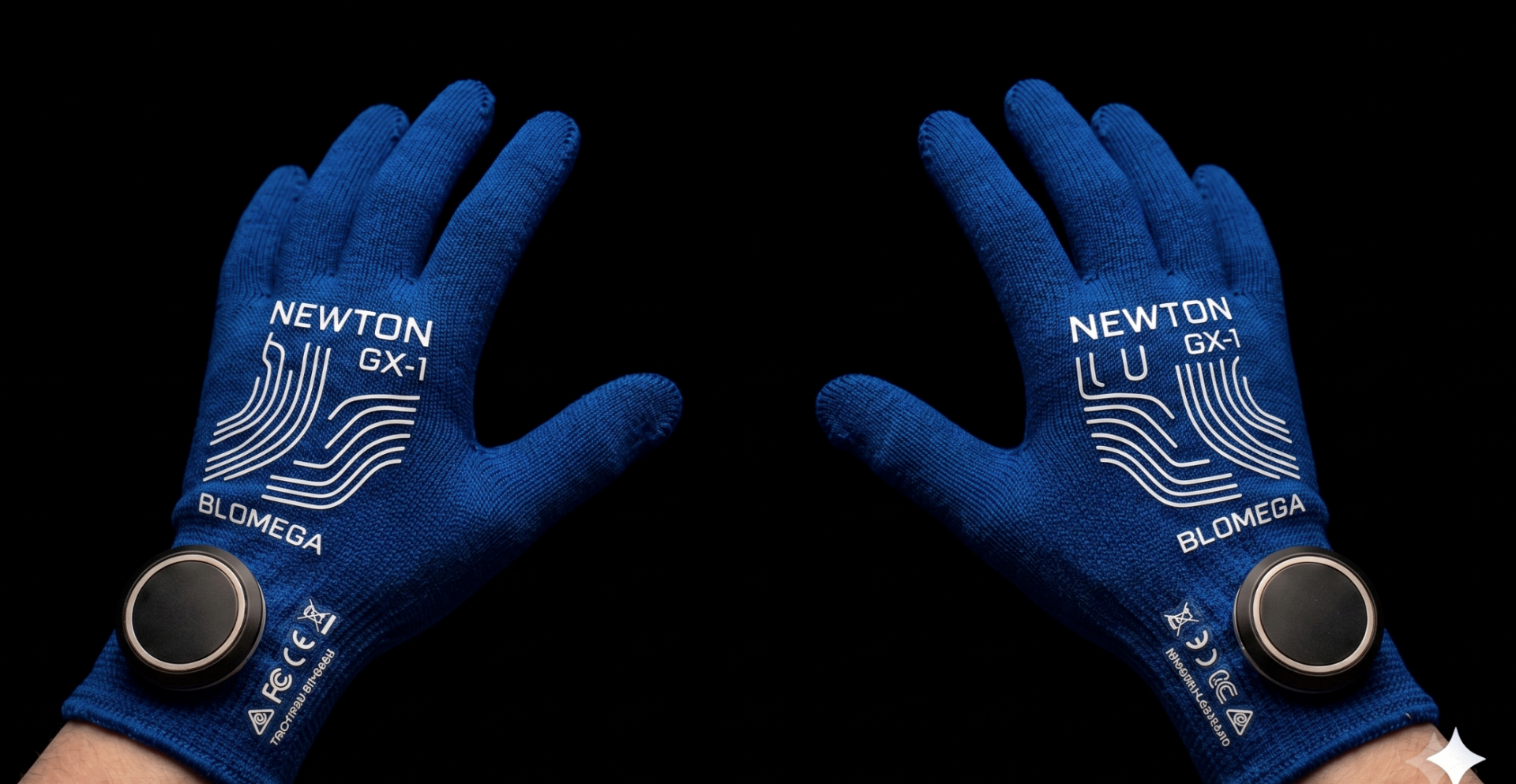
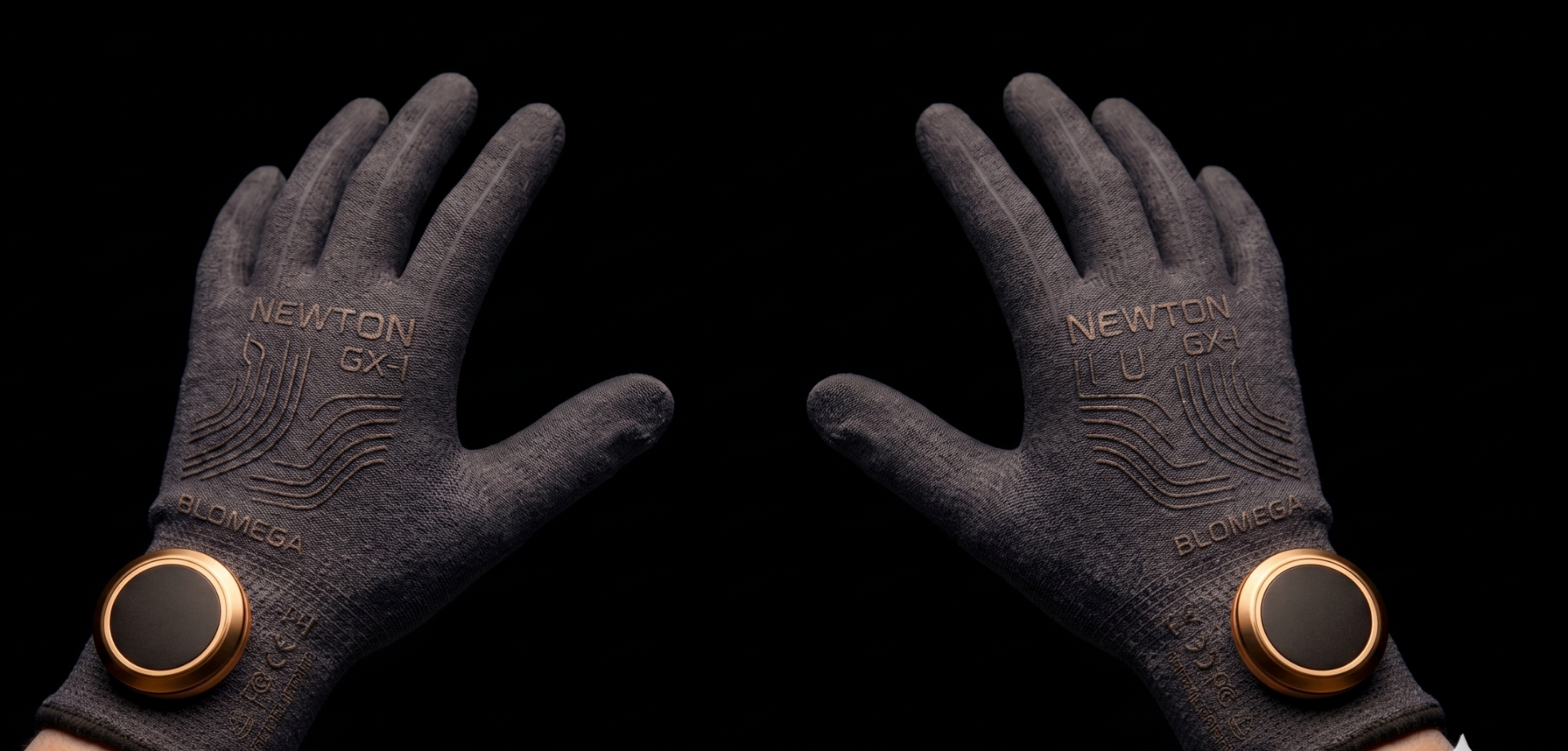
The bet is not naive. It is also not going to be won by better hardware alone. The teams most likely to unlock the 65% are the ones that pair capable hands with foundation models trained on real dexterous demonstration data, the kind of data that only exists when someone builds the capture stack and the operator network to produce it.
Building or training robots?
We license manipulation datasets and run custom capture programs. Get in touch to see what fits.