The Economics of Robotics Data: Cost per Demonstration
Understand the unit economics before you scale.
Data buyers ask two questions: how good is the data, and what does it cost per demonstration. The second question has a much wider spread than most teams expect, an order of magnitude across the industry, sometimes more, and the drivers of that spread are not always obvious.
The range
In-house teleop with expensive rigs (leader-follower arm pairs, dedicated capture rooms, full-time operators) runs $10 to $50 per demonstration when you include operator time, engineering overhead, hardware amortization, and facilities. This is what most established labs pay internally, and it is a defensible cost for high-value tasks where the setup is stable.
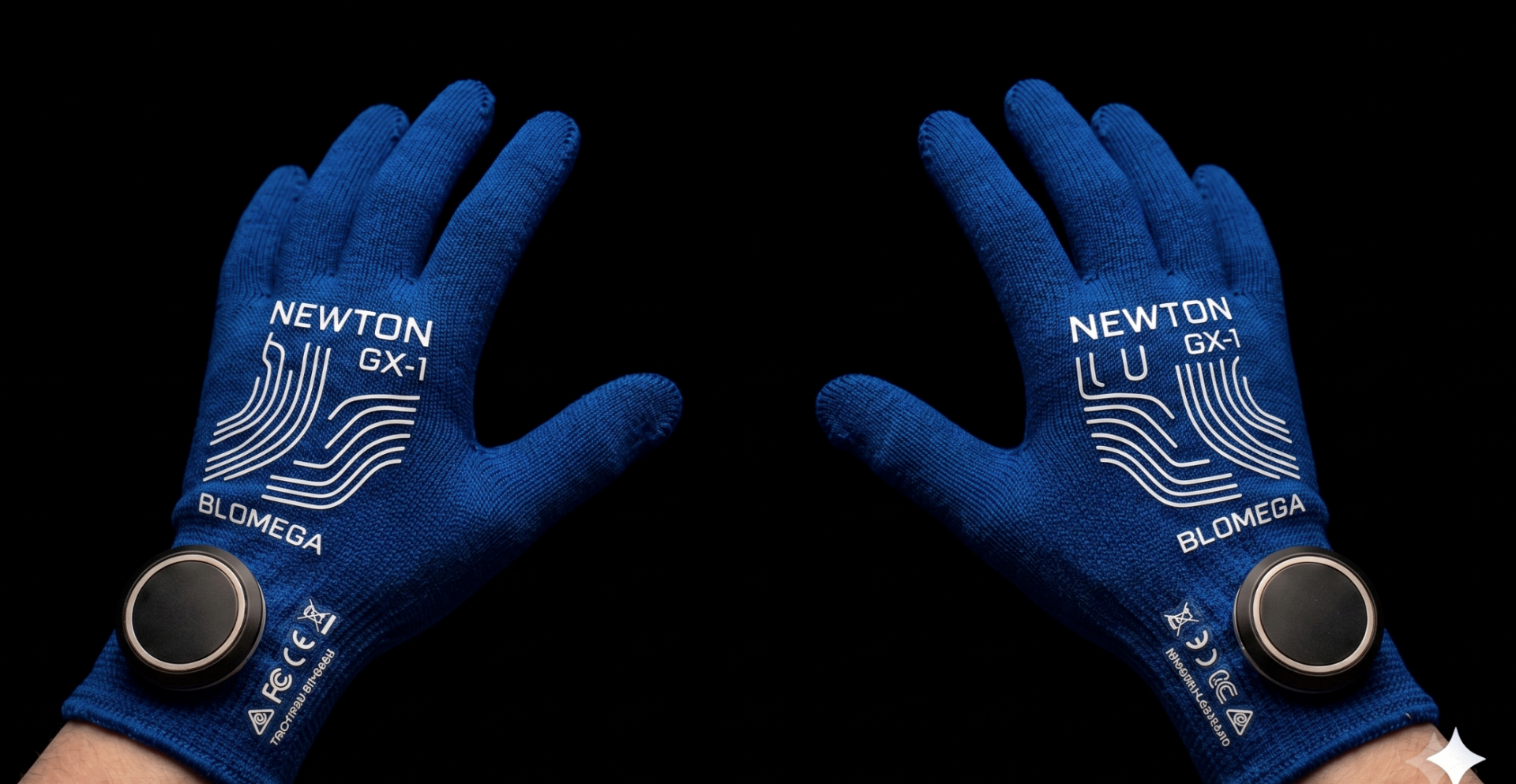
Wearable capture with a distributed contributor network runs closer to $2 to $8 per demonstration at scale. The unit cost drops because the fixed costs (facilities, dedicated operator payroll) become variable and demand-driven.
Both numbers assume comparable quality. If you compare a $2 unclean demonstration to a $50 clean one, the $50 wins. Data is not fungible.
Where the cost comes from
Operator time is the biggest line item in almost every setup, usually 40 to 60 percent of the total. Hardware amortization is second. Quality review, storage, and pipeline engineering split the rest. Fixed facility costs push the average up in centralized setups and are largely absent in distributed setups.
The subtle line item is rework. A pipeline that requires 30% rework because of calibration drift or bad sync is a pipeline whose unit cost is 30% higher than the invoice suggests. Rework is where seemingly cheap datasets become expensive.
Why the spread
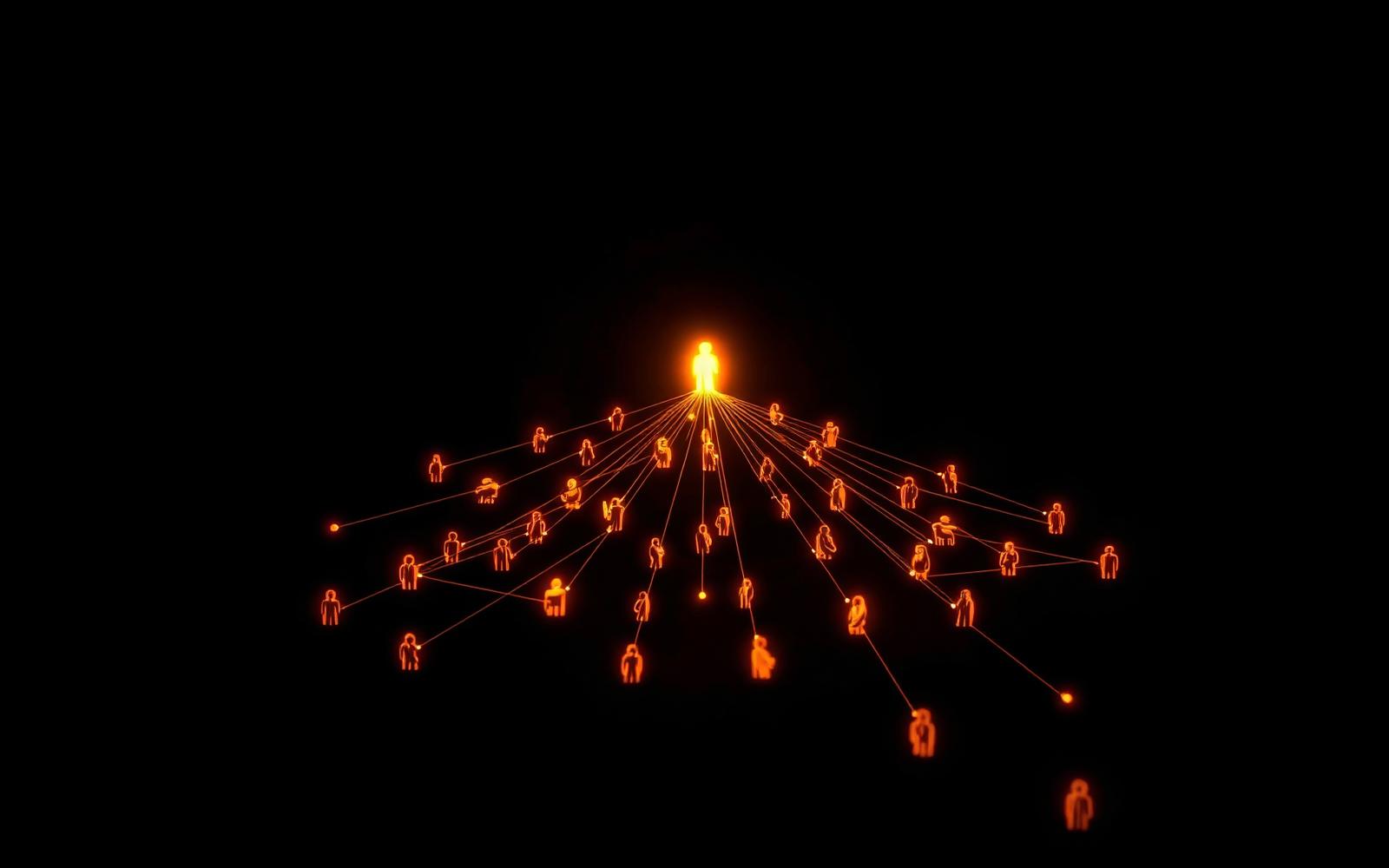
Wearable capture removes the studio. Contributor networks remove the payroll. The tradeoff is coordination cost, which good software absorbs. A distributed capture platform with a well-designed operator app, automated quality checks, and same-week payouts can run at the low end of the range. A distributed setup without good software runs at the high end of the range because coordination overhead eats the savings.
What you actually pay for at $5 per demo
Roughly: $2 to the contributor for their time, $1 in gear amortization and shipping, $0.50 in cloud storage and bandwidth, $0.50 in quality review labor, $0.50 in pipeline engineering allocated across the corpus, $0.50 in overhead and margin. The margins are not large; scale is where the business becomes real.
The strategic implication
For a team training a foundation-scale policy, the difference between $50 and $5 per demonstration is the difference between a 20,000-demonstration dataset and a 200,000-demonstration dataset for the same budget. That is not a minor difference in policy quality; it is the difference between a research prototype and a shipping product. This is why data economics is now a first-order strategic variable in robotics, not a procurement footnote.
Building or training robots?
We license manipulation datasets and run custom capture programs. Get in touch to see what fits.