Understanding Degrees of Freedom in Robotic Hands
DoF is thrown around casually. It hides more nuance than people admit. A short primer.
Degrees of freedom (DoF) count the independent axes a system can move along. A human hand has roughly 27 DoF depending on how you count, some anatomists say 21, some say 30, everyone agrees it is a lot. Most commercially available robot hands have far fewer, ranging from a two-DoF parallel gripper to sixteen-DoF anthropomorphic hands from companies like Shadow, Allegro, and Inspire.
The DoF number matters, but not for the reason people usually think. What actually matters is which specific DoF the hand has and how they map to the task envelope. A six-DoF hand with the right axes can outperform a sixteen-DoF hand with the wrong ones.
Actuated vs. passive DoF
A joint can move without a dedicated motor, coupled through tendons or linkages to another actuated joint. These passive DoF add compliance and adaptability without adding cost, wiring, or control complexity. Modern designs mix aggressively: a hand might have sixteen anatomical DoF but only six actuators, with the remaining ten coupled through smart mechanical linkages.
For imitation learning, passive DoF are both a gift and a challenge. They let the hand conform to unknown objects, which improves grasp success. They also make the mapping from human trajectory to robot command underdetermined, because the passive joints will settle wherever the physics take them.
The thumb is where designs win or lose
Most manipulation tasks depend on precise thumb opposition. A hand with a well-placed, well-actuated thumb feels natural to teleoperate and easy to train. A hand with a compromised thumb, fixed axis, limited range of motion, weak actuation, will underperform on almost every dexterous task no matter how good the fingers are. When you evaluate a hand, spend most of the evaluation on the thumb.
Why capture 10 channels if the robot has 16?
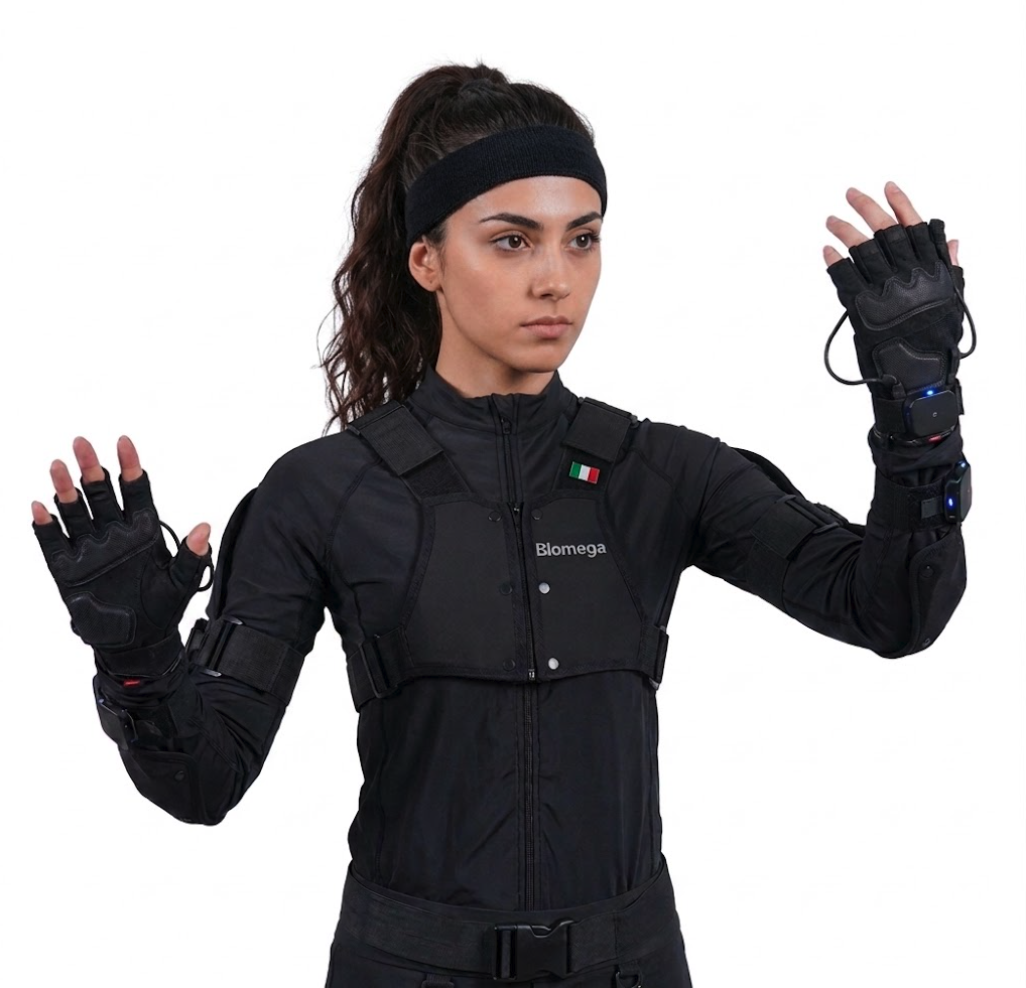
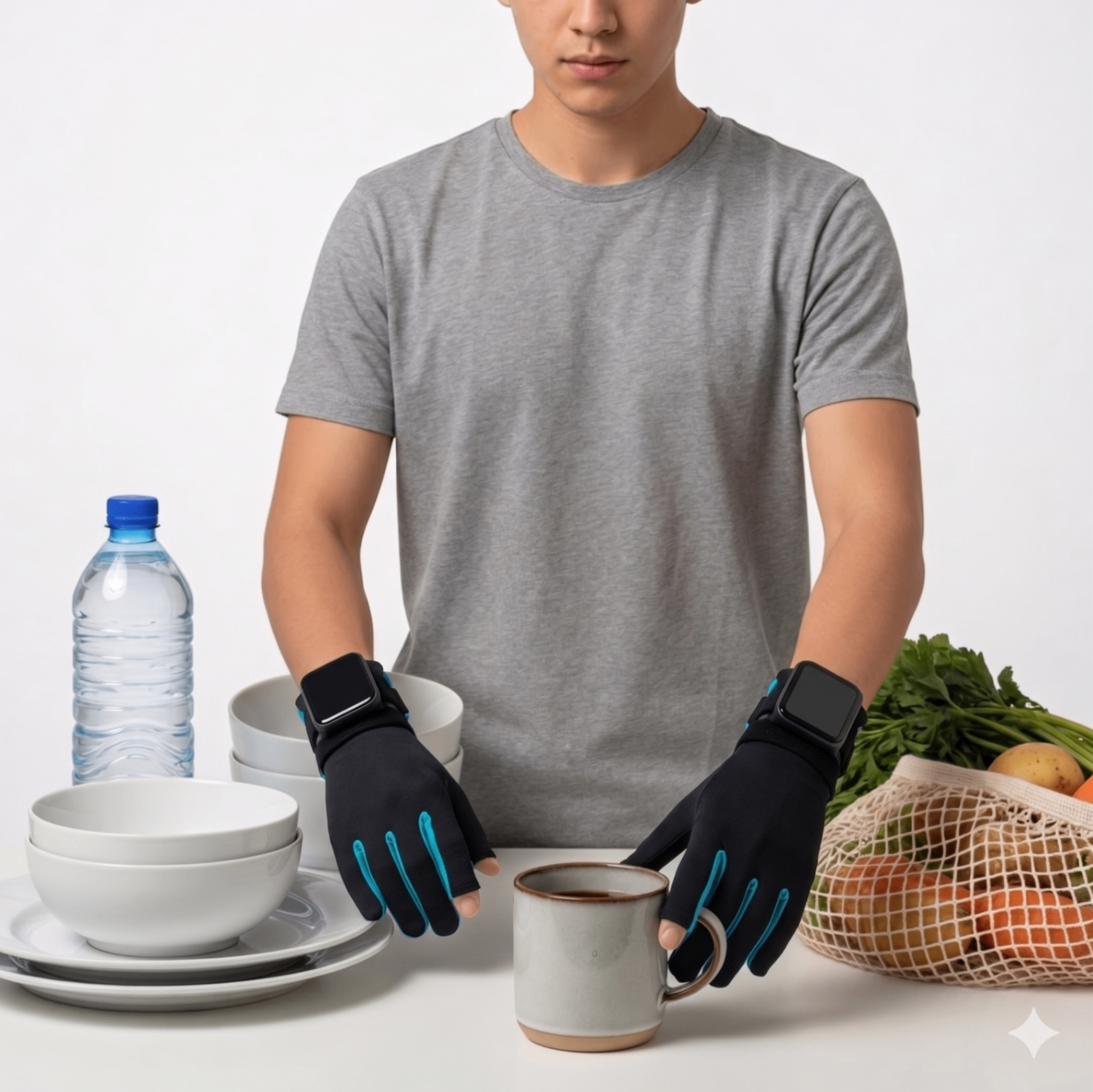
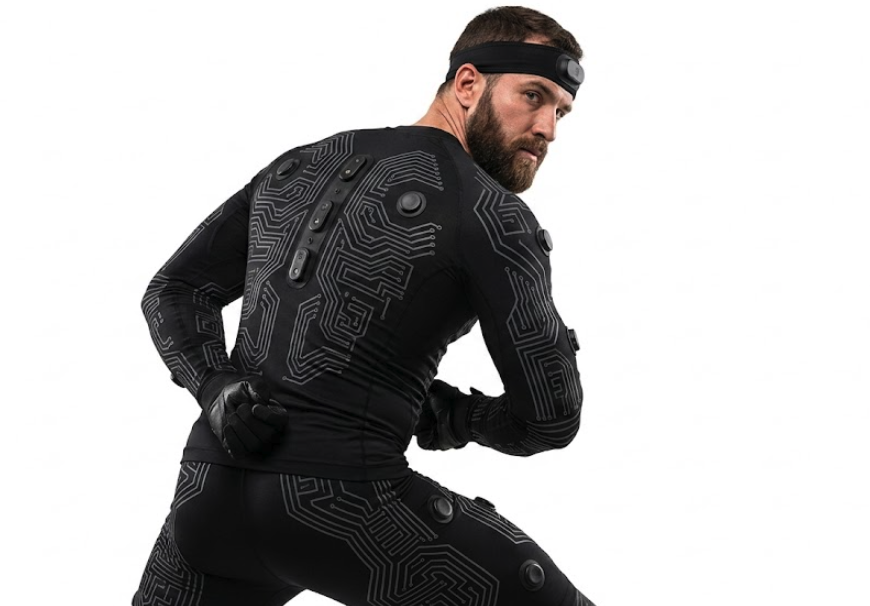
Because the mapping is task-dependent, and because the mapping is also future-dependent. Extra fidelity in the source data lets you retarget to different embodiments later without recapturing. If today's target is a 16-DoF hand and tomorrow's target is a 22-DoF one, you can use the same dataset for both.
Under-capturing is worse than over-capturing. You cannot recover information you never recorded. Storage is cheap. Recapturing a thousand-trajectory dataset because your source data was too low-dimensional is not.
The takeaway
DoF is a shorthand for capability, not a substitute for one. When picking a robot hand, look at the axis layout, the thumb design, and the coupling scheme, not just the headline number. When capturing training data, capture at the highest DoF you can afford, because the retargeting is a downstream problem you can always solve later.
Building or training robots?
We license manipulation datasets and run custom capture programs. Get in touch to see what fits.