
From Contributor to Paycheck: How Talika Pays for Human Skill
The economics of the contributor side. How sessions turn into real income.
Contributors wear the gear, do the task, and get paid. Talika is the app that manages the loop, from task discovery, to session recording, to quality review, to same-week payout. This article walks through what that loop actually feels like from the contributor side, and how the economics work.
Getting started
A contributor signs up in the Talika app, completes a short onboarding session that walks through gear fit and calibration, and unlocks the task marketplace. Onboarding is paid, the calibration data is genuinely useful, and takes about ninety minutes end to end.
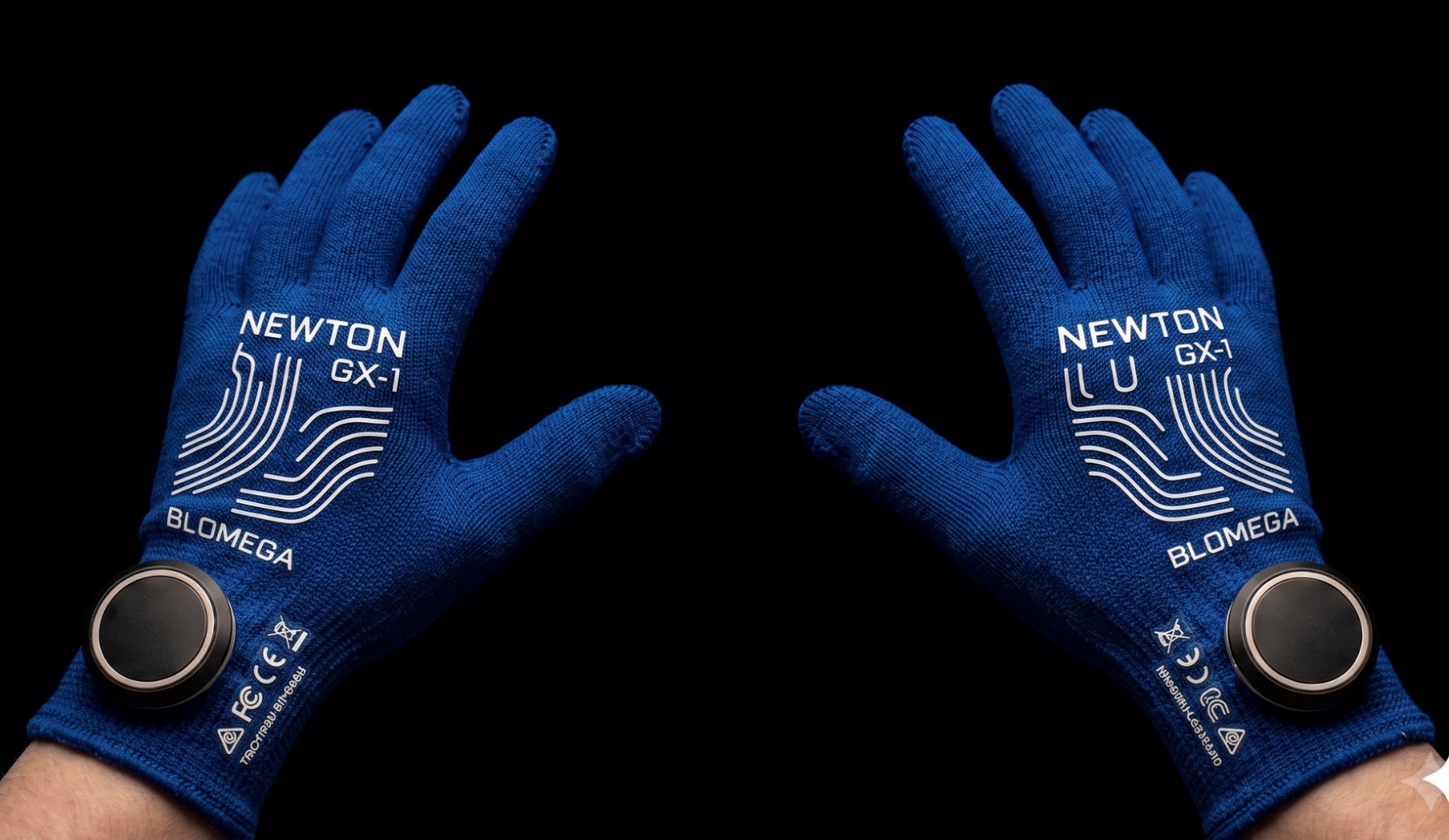
The gear itself is loaned. Contributors receive a glove, a suit, and a headband via mail, and return them if they leave the program. There is no upfront cost to the contributor.
Session lifecycle
A contributor browses available tasks, accepts one that matches their skills and schedule, and records at home or in a partner space. The app guides the recording, how many trials, which variations, what environmental conditions to include. The operator uploads at the end of the session and receives payment once the session passes quality review. Typical cycle: same day for standard tasks, up to three days for specialized ones.
What sessions pay
Rates vary by task complexity and by the contributor's quality history. Household tasks currently pay in the range of $30 to $75 per hour of recorded footage. Specialized skills, culinary technique, workshop tools, musical instruments, sport-specific motion, pay more, sometimes substantially more. A skilled sushi chef captures at rates several times higher than an entry-level operator.
The pay increases with tenure. A contributor whose sessions consistently pass quality review with minimal revisions earns a quality multiplier that raises their per-hour rate over time. This aligns incentives: careful contributors are rewarded, and the training set gets cleaner as the network matures.
Quality review, plainly
Every session passes through automated checks (sensor coverage, calibration validity, task completion) and a human review of a small sample. Rejections are rare and always come with specific feedback. A rejected session is not a lost session, the contributor can usually revise and resubmit, or trade it for a fresh capture at the same task rate.
Withdrawal and control
Contributors can withdraw any session from active training sets within thirty days of upload, no questions asked. After that, the data enters the licensed pool and cannot be removed from models already trained on it, but is removed from future training runs on request. This is written into the contributor agreement in plain English.
The bigger picture
The Talika model is a bet that a distributed network of well-paid, well-supported human contributors will out-produce a centralized in-house team by a wide margin, both in volume and in the breadth of real environments captured. The early evidence supports the bet. The economics for contributors, flexible schedule, fair rates, real skill development, are the reason the network keeps growing.
Building or training robots?
We license manipulation datasets and run custom capture programs. Get in touch to see what fits.