Folding, Peeling, Kneading: The Long Tail of Household Tasks
General-purpose robots die on the long tail. Coverage is the only way through.
A robot that folds t-shirts is a party trick. A robot that folds t-shirts, jeans, fitted sheets, socks, oversized towels, torn hoodies, and the occasional wet bathing suit is a product. The gap between the two is called the long tail, and it is the reason so many robotics demos never turn into deployments.
The distribution of household reality
Household objects follow a heavy-tailed distribution. A small set of common items accounts for most encounters, and a long tail of unusual items accounts for a surprising fraction of failures. A robot that works on the median item and fails on the tail is a robot that works most of the time and then fails at exactly the moment the user starts to trust it, which is worse than never working at all.
The math is unforgiving. If each item type succeeds 95% of the time and a session touches ten items, session success is 60%. To get session success above 90%, each item needs to succeed above 99%. That is not a solvable problem with a small training set.
Coverage beats cleverness
Empirically, adding demonstrations of edge cases outperforms adding architectural tricks. A team that spends six months on a novel policy architecture and a team that spends the same six months capturing the tail generally see the second team's policy win by wide margins on real deployments.
This is a hard lesson because architecture is fun and data collection is tedious. The teams that internalize the lesson early are the teams that ship.
How we cover it
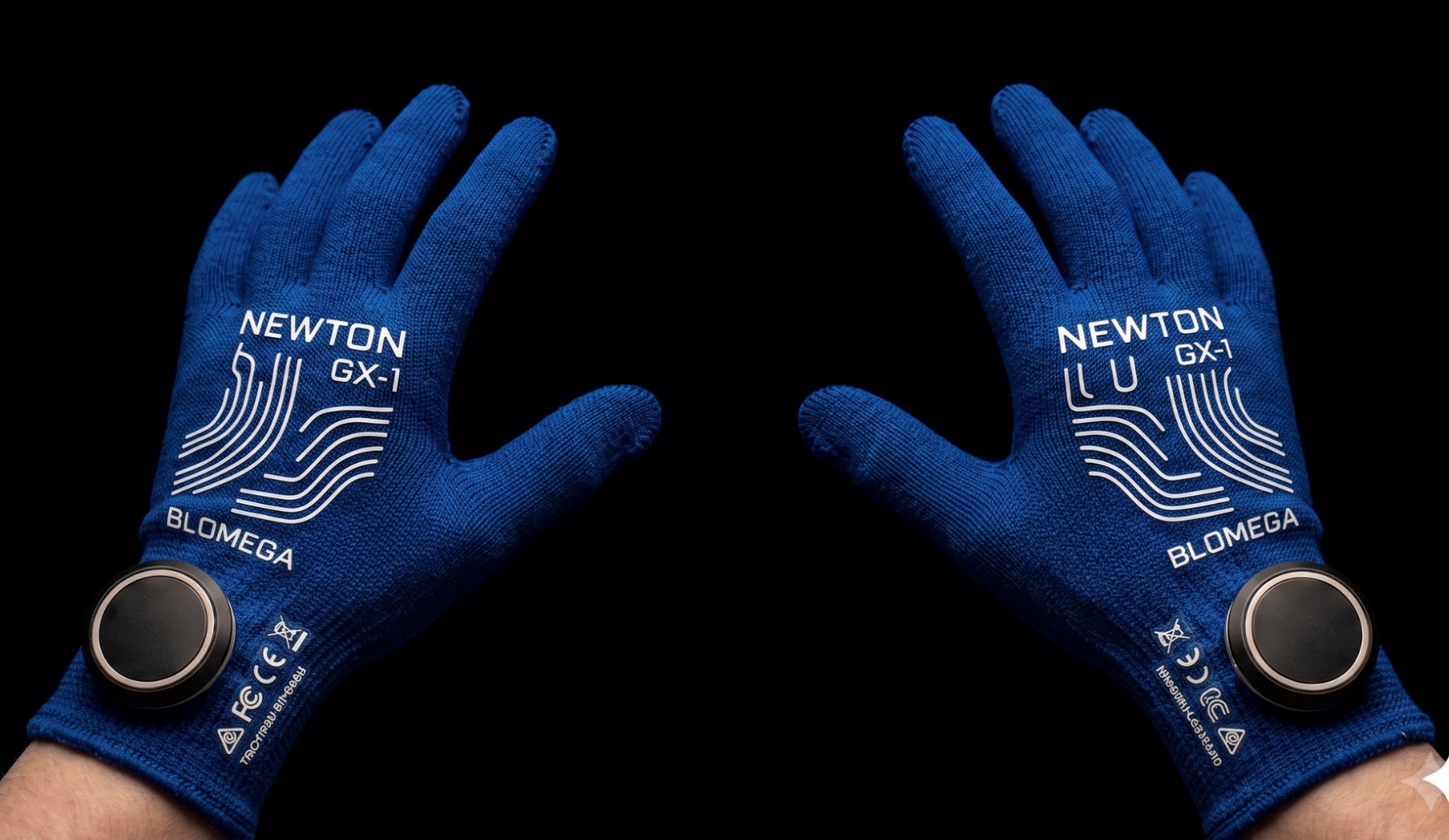
Our operator network deliberately captures unusual instances. A folding session includes torn shirts, oversized towels, mismatched socks, damp fabric, and the occasional garment inside out. A peeling session includes bruised produce, oddly shaped potatoes, and vegetables that were stored in the fridge overnight and are slightly wet. These are not distractions; they are the point.
Each unusual instance is tagged in metadata so downstream teams can weight, filter, or up-sample as needed. A team training a home policy might up-sample the tail 3x. A team training a controlled-environment demo might down-sample it. Same data, different needs.
The other half, negative examples
Coverage of the tail also means coverage of things the robot should not do: picking up an item that turns out to be too heavy and setting it back down, aborting a grasp when the shape does not match, deferring on an object the operator judges too fragile. These decisions are what make a robot feel safe. They only train if they are in the dataset.
The takeaway
The long tail is not a nuisance to be swept under the rug. It is the actual thing being sold. Datasets that treat rare cases as noise train policies that treat rare cases as failure. Datasets that treat rare cases as content train policies that ship.
Building or training robots?
We license manipulation datasets and run custom capture programs. Get in touch to see what fits.